Foot & Ankle Conditions Treated
Heel Pain
Foot Pain
Ankle Pain
Minimally Invasive Surgery for Bunions
Fungal Nail Laser Treatment




Dr. Marc Frankel is a board-certified Foot and Ankle Specialist by the American Board of Foot and Ankle Surgery and a fellow of the American College of Foot and Ankle Surgeons. He has devoted his career to providing comprehensive care for patients of all ages, offering advanced diagnostic evaluations, innovative surgical and regenerative treatments, and expert care for sports injuries and chronic conditions. From ankle replacement and trauma response to preventive medicine and routine foot care, Dr. Frankel is known for his skill, precision, and commitment to achieving lasting results.
As founder of Frankel Foot & Ankle, Dr. Frankel serves the Pennsylvania, New York, and New Jersey tri-state area with the most progressive technologies and evidence-based treatments available in podiatric medicine. His patient-first philosophy ensures that every individual receives attentive, compassionate care designed to relieve pain, restore mobility, and support long-term foot and ankle health.
Dr. Marc Frankel brings the highest standard of diagnostic skill, surgical expertise and regenerative medicine to the tri-state area. Frankel Foot & Ankle specializes in no-pain bunion correction, total ankle replacements, sports medicine solutions and more.
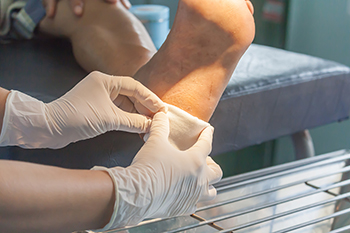
Wound odor can become a frustrating and emotional problem for many patients dealing with chronic or slow-healing foot injuries. Some people become reluctant to participate in activities or spend time with others because they are concerned about the odor. It can also create challenges for family members and medical staff involved in ongoing wound management. Although odor is common in some chronic wounds, it should never be ignored because it may point to changes within the injured tissue that need medical attention. Understanding the cause of wound odor is an important step toward improving both comfort and healing.
In many cases, wound odor develops when bacteria and other microorganisms grow within damaged tissue. As these organisms break down proteins and other material inside the wound, gases may be released that create an unpleasant smell. Heavy drainage, dead tissue, poor circulation, and excess moisture may also contribute to worsening odor. Wounds that remain open for long periods are often more vulnerable to these problems. Patients with diabetes, vascular disease, or reduced mobility may face a higher risk of chronic foot wounds and odor-related complications. Odor becomes more noticeable when wound drainage accumulates beneath a bandage or dressing.
Modern wound care treatments are designed to improve the wound environment while lowering harmful bacterial levels. Proper cleansing, removal of damaged tissue, and advanced dressings can help reduce odor while supporting healthier healing conditions. Some dressings are specially designed to absorb drainage and control bacteria that contribute to unpleasant smells. An odor that becomes stronger or develops suddenly may be a warning sign of infection or tissue breakdown. Redness, swelling, and pain should also be evaluated promptly. Warmth or increased drainage are also warning signs. If you are experiencing persistent foot wound odor or slow-healing foot wounds, it is suggested that you see a podiatrist for a proper diagnosis and appropriate treatment.
Wound care is an important part in dealing with diabetes. If you have diabetes and a foot wound or would like more information about wound care for diabetics, consult with One of our Practitioner from Frankel foot & Ankle. Our practitioner will assess your condition and provide you with quality foot and ankle treatment.
What Is Wound Care?
Wound care is the practice of taking proper care of a wound. This can range from the smallest to the largest of wounds. While everyone can benefit from proper wound care, it is much more important for diabetics. Diabetics often suffer from poor blood circulation which causes wounds to heal much slower than they would in a non-diabetic.
What Is the Importance of Wound Care?
While it may not seem apparent with small ulcers on the foot, for diabetics, any size ulcer can become infected. Diabetics often also suffer from neuropathy, or nerve loss. This means they might not even feel when they have an ulcer on their foot. If the wound becomes severely infected, amputation may be necessary. Therefore, it is of the upmost importance to properly care for any and all foot wounds.
How to Care for Wounds
The best way to care for foot wounds is to prevent them. For diabetics, this means daily inspections of the feet for any signs of abnormalities or ulcers. It is also recommended to see a podiatrist several times a year for a foot inspection. If you do have an ulcer, run the wound under water to clear dirt from the wound; then apply antibiotic ointment to the wound and cover with a bandage. Bandages should be changed daily and keeping pressure off the wound is smart. It is advised to see a podiatrist, who can keep an eye on it.
If you have any questions please contact our offices located in Milford, PA Middletown, NY Warwick, NY . We offer the newest diagnostic and treatment technologies for all your foot and ankle needs.
Follow Our Social Media

We knew this was the doctor that was meant to fix my foot.
- Angelica, Rockland County
© 2019 - 2026 The Frankel Foot & Ankle Center | Sitemap | Nondiscrimination | Designed by Podiatry Content Connection


