What are Achilles Tendon Injuries

What are Achilles Tendon Injuries

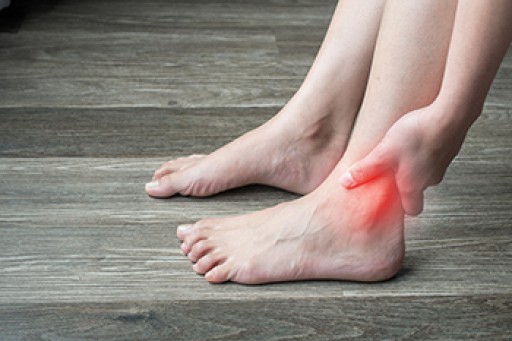
The Achilles tendon is the strongest tendon in the human body. Its purpose is to connect the lower leg muscles and calf to the heel of the foot. This tendon is responsible for facilitating all types of movement, like walking and running. This tendon provides an enormous amount of mobility for the body. Any injuries inflicted to this tissue should be immediately brought up with a physician to prevent further damage. 

The most common injuries that can trouble the Achilles tendon are tendon ruptures and Achilles tendinitis. Achilles tendinitis is the milder of the two injuries. It can be recognized by the following symptoms: inflammation, dull-to-severe pain, increased blood flow to the tendon, thickening of the tendon, and slower movement time. Tendinitis can be treated via several methods and is often diagnosed by an MRI. 

An Achilles tendon rupture is trickier to heal, and is by far the most painful injury. It is caused by the tendon ripping or completely snapping. The results are immediate and absolutely devastating, and will render the patient immobile. If a rupture or tear occurs, operative and non-operative methods are available. Once the treatment begins, depending on the severity of the injury, recovery time for these types of issues can take up to a year. 

Simple preventative measures can be taken as a means to avoid both injuries. Prior to any movement, taking a few minutes to stretch out the tendon is a great way to stimulate the tissue. Calf raises, squats, leg curls, leg extensions, leg raises, lunges, and leg presses are all suggested ways to help strengthen the lower legs and promote Achilles tendon health. 

Many problems arise among athletes and people who overexert themselves while exercising. Problems can also happen among those who do not warm up properly before beginning an activity. Proper, comfortable shoes that fit correctly can also decrease tendon injuries. Some professionals also suggest that when exercising, you should make sure that the floor you are on is cushioned or has a mat. This will relieve pressure on the heels. A healthy diet will also increase tendon health. 

It is very important to seek out a podiatrist if you believe you have an injury in the Achilles region. Further damage could result in severe complications that would make being mobile difficult, if not impossible.


Achilles Tendinopathy and How It Can Be Prevented

Achilles Tendinopathy and How It Can Be Prevented

Achilles tendinopathy is a condition that affects the Achilles tendon, the large tendon at the back of the ankle that connects the calf muscles to the heel bone. It is often caused by repetitive strain, overuse, or sudden increases in activity, leading to pain, swelling, and stiffness. Athletes, particularly runners and those involved in high-impact sports, are at higher risk of developing this condition. To prevent Achilles tendinopathy, focus should be on exercises that strengthen the calf muscles, improve flexibility, and increase overall ankle stability. Eccentric strengthening exercises, which involve lengthening the tendon while under tension, are particularly effective in building tendon resilience. Additionally, gradual increases in activity levels, proper warm-ups, and wearing appropriate footwear can help reduce the strain on the Achilles tendon. Regular stretching, foam rolling, and cross-training can also prevent imbalances and reduce the risk of tendinopathy. If you have an Achilles tendon injury, it is suggested that you contact a podiatrist who can offer you treatment and relief solutions that are right for you.

Achilles tendon injuries need immediate attention to avoid future complications. If you have any concerns, contact One of our Practitioner of Frankel foot & Ankle. Our practitioner can provide the care you need to keep you pain-free and on your feet.

What Is the Achilles Tendon?

The Achilles tendon is a tendon that connects the lower leg muscles and calf to the heel of the foot. It is the strongest tendon in the human body and is essential for making movement possible. Because this tendon is such an integral part of the body, any injuries to it can create immense difficulties and should immediately be presented to a doctor.

What Are the Symptoms of an Achilles Tendon Injury?

There are various types of injuries that can affect the Achilles tendon. The two most common injuries are Achilles tendinitis and ruptures of the tendon.

Achilles Tendinitis Symptoms

  • Inflammation
  • Dull to severe pain
  • Increased blood flow to the tendon
  • Thickening of the tendon

Rupture Symptoms

  • Extreme pain and swelling in the foot
  • Total immobility

Treatment and Prevention

Achilles tendon injuries are diagnosed by a thorough physical evaluation, which can include an MRI. Treatment involves rest, physical therapy, and in some cases, surgery. However, various preventative measures can be taken to avoid these injuries, such as:

  • Thorough stretching of the tendon before and after exercise
  • Strengthening exercises like calf raises, squats, leg curls, leg extensions, leg raises, lunges, and leg presses

If you have any questions please feel free to contact our offices located in Milford, PA Middletown, NY Warwick, NY . We offer the newest diagnostic tools and technology to treat your foot and ankle needs.

Read more about What are Achilles Tendon Injuries

Everything You Need to Know About Gout

Everything You Need to Know About Gout

Gout, typically found in diabetic patients, is an unusually painful form of arthritis caused by elevated levels of uric acid in the bloodstream. The condition typically strikes the big joint on the big toe. It has also been known to strike the knees, elbows, fingers, ankles and wrists—generally anywhere that has a functioning, moving joint.

The high level of uric acid in a person’s bloodstream creates the condition known as hyperuricema—the main cause of gout. Genetic predisposition occurs in nine out of ten sufferers. The children of parents who suffer gout will have a two in ten chance of developing the condition as well. 

This form of arthritis, being particularly painful, is the leftover uric acid crystallizing in the blood stream. The crystallized uric acid then travels to the space between joints where they rub, causing friction when the patient moves. Symptoms include: pain, redness, swelling, and inflammation. Additional side effects may include fatigue and fever, although reports of these effects are very rare. Some patients have reported that pain may intensify when the temperature drops, such as when you sleep.

Most cases of gout are easily diagnosed by a podiatrist’s assessment of the various symptoms. Defined tests can also be performed. A blood test to detect elevated levels of uric acid is often used as well as an x-ray to diagnose visible and chronic gout.

Treatment for gout simply means eliminating symptoms. Non-steroid anti-inflammatory drugs or NSAIDs (Colchicine and other corticosteroid drugs, etc.) will quell the redness, the swelling, and the inflammation. However, managing your diet, lifestyle changes, and using preventative drugs are all helpful toward fully combating the most severe cases.

 Those that lead an inactive lifestyle are at a higher risk for gout. Any amount of exercise decreases the probability of repeat encounters with the condition. Reducing your consumption of red meat, sea food, and fructose-sweetened drinks also reduces the likelihood of chronic gout as well.

Ingesting Vitamin C, coffee, and particular dairy products can help with maintaining a healthy lifestyle. There are new drugs out on the market that inhibit the body’s production of uric acid-producing enzymes. However, reducing or eliminating your overall levels of uric acid is the best remedy to ensuring you lead a gout-free life.

Treatment Options for Gout

Treatment Options for Gout

Gout is a form of arthritis that develops when excess uric acid in the body leads to crystal deposits in the joints. Gout often affects the big toe, ankle, or other foot joints, which can cause intense pain, redness, and swelling. Acute attacks occur suddenly, often at night, while chronic gout may result in large, painful tophi forming around the joints. Treatment for gout focuses on reducing pain, preventing future attacks, and protecting joint health. A podiatrist can evaluate your foot and ankle symptoms, recommend medications to manage inflammation and uric acid levels, and suggest footwear modifications to reduce joint stress. In severe cases, surgery may be required to remove large tophi or repair joint damage. Dietary and lifestyle changes, such as reducing alcohol intake and avoiding high-purine foods, can also help lower uric acid levels and decrease the frequency of attacks. Staying hydrated and maintaining a healthy weight may further support joint health. If you have toe or ankle pain that may be related to gout, it is suggested that you schedule an appointment with a podiatrist for an exam and appropriate treatment solutions.

Gout is a foot condition that requires certain treatment and care. If you are seeking treatment, contact One of our Practitioner from Frankel foot & Ankle. Our practitioner will treat your foot and ankle needs.

What Is Gout?

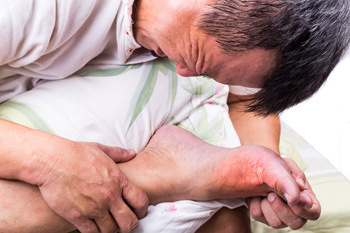
Gout is a type of arthritis caused by a buildup of uric acid in the bloodstream. It often develops in the foot, especially the big toe area, although it can manifest in other parts of the body as well. Gout can make walking and standing very painful and is especially common in diabetics and the obese.

People typically get gout because of a poor diet. Genetic predisposition is also a factor. The children of parents who have had gout frequently have a chance of developing it themselves.

Gout can easily be identified by redness and inflammation of the big toe and the surrounding areas of the foot. Other symptoms include extreme fatigue, joint pain, and running high fevers. Sometimes corticosteroid drugs can be prescribed to treat gout, but the best way to combat this disease is to get more exercise and eat a better diet.

If you have any questions, please feel free to contact our offices located in Milford, PA Middletown, NY Warwick, NY . We offer the newest diagnostic and treatment technologies for all your foot care needs.

Read more about Everything You Need to Know About Gout

Ankle Pain

Ankle Pain

Pain experienced in the ankle can be caused by a multitude of conditions. While the most common cause is an ankle sprain, other possible problems can include arthritis, gout, ankle instability, an ankle fracture, nerve compression, or tendinitis. In more serious cases, ankle pain can be a sign of improper alignment of the foot or an infection.

Ankle pain can often be accompanied by symptoms such as redness, swelling, stiffness, and warmth in the affected area. Pain can be described differently depending on the condition: short, stabbing pain and a dull ache are some examples. If such symptoms are persistent and do not improve after time, be sure to schedule an appointment with your local podiatrist.

Depending on the condition causing your ankle pain, different treatments may be prescribed by your podiatrist. For ankle sprains, the first step in treatment involves rest, ice, elevation, and compression. Be sure to avoid placing pressure on the ankle, use an ice pack several times a day, and use a compression bandage and elevation to reduce swelling. Other, more serious conditions may require the assistance of certain drugs and medications such as nonsteroidal anti-inflammatory drugs (NSAIDs), physical therapy, or even cortisone injections. 

Depending on the severity of your ankle pain and the condition behind it, recovery from ankle pain may take some time.

Consult with your foot and ankle specialist to best determine the cause of your ankle pain and the appropriate treatment.

Causes of Ankle Pain

Causes of Ankle Pain

Ankle pain can arise from various conditions like sprains, arthritis, or tendonitis. A sprained ankle occurs when the ligaments are stretched or torn, causing swelling, bruising, and sharp pain, particularly when walking or standing. Arthritis can cause joint pain, stiffness, and swelling, often worse in the morning or after prolonged activity. Tendonitis happens when the tendons surrounding the ankle become inflamed, leading to pain, especially during movement or exercise. Depending on the cause, ankle pain can feel sharp, dull, or achy, and may limit your ability to walk or be active. Treatment options include rest, targeted exercises, anti-inflammatory medications, or custom orthotics. In more severe cases, a podiatrist may suggest injections or surgery to repair damaged tissues. This type of doctor can provide a precise diagnosis and create a treatment plan tailored to your needs, helping you regain mobility and reduce pain. If you are struggling with ankle pain, it is suggested that you schedule an appointment with a podiatrst for appropriate treatment solutios.

Ankle pain can be caused by a number of problems and may be potentially serious. If you have ankle pain, consult with One of our Practitioner from Frankel foot & Ankle. Our practitioner will assess your condition and provide you with quality foot and ankle treatment.

Ankle pain is any condition that causes pain in the ankle. Due to the fact that the ankle consists of tendons, muscles, bones, and ligaments, ankle pain can come from a number of different conditions.

Causes

The most common causes of ankle pain include:

  • Types of arthritis (rheumatoid, osteoarthritis, and gout)
  • Ankle sprains
  • Broken ankles
  • Achilles tendonitis
  • Achilles tendon rupture
  • Stress fractures
  • Bursitis
  • Tarsal tunnel syndrome
  • Plantar fasciitis

Symptoms

Symptoms of ankle injury vary based upon the condition. Pain may include general pain and discomfort, swelling, aching, redness, bruising, burning or stabbing sensations, and/or loss of sensation.

Diagnosis

Due to the wide variety of potential causes of ankle pain, podiatrists will utilize a number of different methods to properly diagnose ankle pain. This can include asking for personal and family medical histories and of any recent injuries. Further diagnosis may include sensation tests, a physical examination, and potentially x-rays or other imaging tests.

Treatment

Just as the range of causes varies widely, so do treatments. Some more common treatments are rest, ice packs, keeping pressure off the foot, orthotics and braces, medication for inflammation and pain, and surgery.

If you have any questions please feel free to contact our offices located in Milford, PA Middletown, NY Warwick, NY . We offer the newest diagnostic tools and technology to treat your foot and ankle needs.

Read more about Ankle Pain
scroll to top