Symptoms and Causes of Flat Feet

Symptoms and Causes of Flat Feet

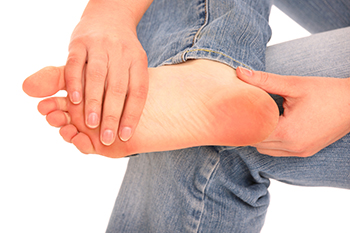
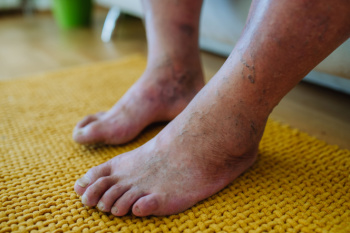
Flat feet occur when the arch on the inside of the foot is low or missing, causing most of the sole to touch the ground while standing or walking. The arch helps absorb shock and spread body weight during movement. When it flattens, the foot may roll inward and place strain on muscles and joints. Some people with flat feet have no symptoms, but others develop pain in the arch, heel, or ankle. Pain often worsens after long periods of standing or walking. Swelling along the inside of the ankle, tired feet, or shoes wearing out unevenly may also occur. Flat feet may develop when arches fail to form during childhood, or when supportive tissues weaken with age. Injury, arthritis, excess body weight, or inherited conditions can also affect foot structure. If you have flat feet, it is suggested that you make an appointment with a podiatrist for an exam, diagnosis, and treatment.

Flatfoot is a condition many people suffer from. If you have flat feet, contact One of our Practitioner from Frankel foot & Ankle. Our practitioner will treat your foot and ankle needs.

What Are Flat Feet?

Flatfoot is a condition in which the arch of the foot is depressed and the sole of the foot is almost completely in contact with the ground. About 20-30% of the population generally has flat feet because their arches never formed during growth.

Conditions & Problems:

Having flat feet makes it difficult to run or walk because of the stress placed on the ankles.

Alignment – The general alignment of your legs can be disrupted, because the ankles move inward which can cause major discomfort.

Knees – If you have complications with your knees, flat feet can be a contributor to arthritis in that area.  

Symptoms

  • Pain around the heel or arch area
  • Trouble standing on the tip toe
  • Swelling around the inside of the ankle
  • Flat look to one or both feet
  • Having your shoes feel uneven when worn

Treatment

If you are experiencing pain and stress on the foot you may weaken the posterior tibial tendon, which runs around the inside of the ankle. 

If you have any questions, please feel free to contact our offices located in Milford, PA Middletown, NY Warwick, NY . We offer the newest diagnostic and treatment technologies for all your foot care needs.
Read more about Flat Feet

Congenital Foot Problems

Congenital Foot Problems

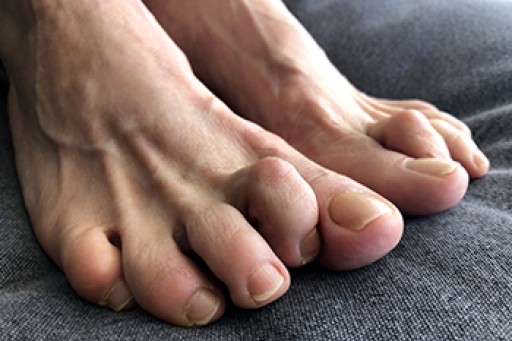
A congenital foot problem is a problem affecting the feet, toes, and/or ankle that a child is born with. Several issues with a child’s feet can occur congenitally. Such problems include clubfoot, vertical talus, tarsal coalition, polydactyly, macrodactyly, and cleft foot. Some of these problems have a genetic basis, with someone in their family history having a gene causing the condition, and some are simply an anomaly.

The following are specifics about a few of these conditions:

-    Clubfoot, also called congenital talipes equinovarus or talipes equinovarus, is When the tendons of the foot shorten, the bones are of an unusual shape, and the Achilles tendon is tight, causing an inward and downward pointing of the foot. The soles of the feet might also face each other. In most cases of clubfoot, both feet are affected. If not treated, the affected child will walk on the sides of their feet or ankles.

-    Polydactyly is a condition where the child has more than five fingers or toes on either or both feet. Presentation usually consists of a nubbin or small lump of tissue without a bone, a toe that is partially formed but has no joints, or an extra toe.

-    Vertical talus is where the talus bone forms in the wrong position, other bones in the foot do not line up properly, the front of the foot points up, and the bottom of the foot is stiff, has no arch, and usually curves out. This can occur in one or both feet and if left untreated, can lead to serious disability or discomfort as the child grows.

-    Tarsal coalition is when there is an abnormal connection of two or more bones in the foot leading to severe, rigid flatfoot. The tarsal bones, located toward the back of the foot and in the heel, are the ones affected. This condition is often present at birth, but signs of the disorder usually come on in early adolescence.

-    Cleft foot is a rare condition where the foot has missing toes, a V-shaped cleft, and other anatomical differences. Surgery can often help improve the foot’s function since the heel remains normal and is what is most needed for walking. The main issues with this affliction are whether the affected foot can fit into a shoe and the shape and appearance of the foot.

-    Macrodactyly is when the toes are abnormally large due to overgrowth of the underlying bone or soft tissue. Having this condition makes it harder for the child to use the affected foot for certain activities.


Clubfoot Causes and Diagnosis

Clubfoot Causes and Diagnosis

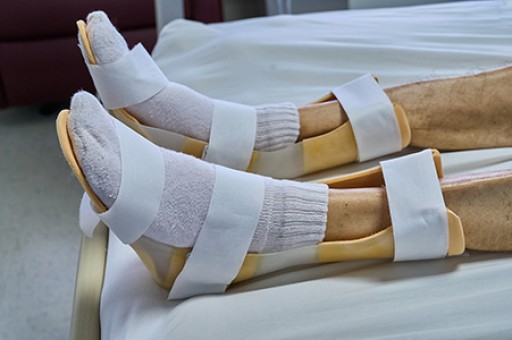
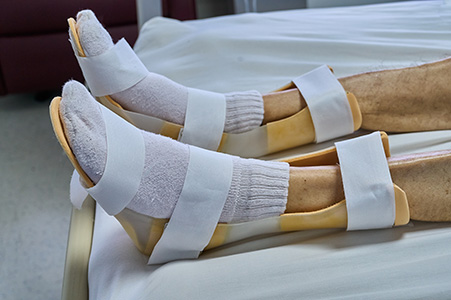
Clubfoot is a congenital condition in which a newborn foot appears twisted inward and downward due to abnormal development of muscles, tendons and ligaments. The exact cause is not always known, but genetics play a significant role and the condition may run in families. Environmental factors during pregnancy may also contribute. Diagnosis is often made at birth through a physical examination and sometimes confirmed with a prenatal ultrasound. Symptoms include a visibly rotated foot, limited range of motion, and stiffness, although the condition is not typically painful in infancy. A podiatrist provides early evaluation, guidance, and ongoing care through stretching, casting, bracing, and monitoring progress. Early treatment improves long-term mobility and function. If your child has been born with clubfoot, it is strongly suggested that you include a podiatrist on your health care team to ensure the best outcome for your child’s development.

Congenital foot problems require immediate attention to avoid future complications. If you have any concerns, contact One of our Practitioner of Frankel foot & Ankle. Our practitioner can provide the care you need to keep you pain-free and on your feet.

Congenital foot problems are deformities affecting the feet, toes, and/or ankles that children are born with. Some of these conditions have a genetic cause while others just happen. Some specific foot ailments that children may be born with include clubfeet, polydactyly/macrodactyly, and cleft foot. There are several other foot anomalies that can occur congenitally. What all of these conditions have in common is that a child may experience difficulty walking or performing everyday activities, as well as trouble finding footwear that fits their foot deformity. Some of these conditions are more serious than others. Consulting with a podiatrist as early as possible will help in properly diagnosing a child’s foot condition while getting the necessary treatment underway.

What are Causes of Congenital Foot Problem?

A congenital foot problem is one that happens to a child at birth. These conditions can be caused by a genetic predisposition, developmental or positional abnormalities during gestation, or with no known cause.

What are Symptoms of Congenital Foot Problems?

Symptoms vary by the congenital condition. Symptoms may consist of the following:

  • Clubfoot, where tendons are shortened, bones are shaped differently, and the Achilles tendon is tight, causing the foot to point in and down. It is also possible for the soles of the feet to face each other.
  • Polydactyly, which usually consists of a nubbin or small lump of tissue without a bone, a toe that is partially formed but has no joints, or an extra toe.
  • Vertical talus, where the talus bone forms in the wrong position causing other bones in the foot to line up improperly, the front of the foot to point up, and the bottom of the foot to stiffen, with no arch, and to curve out.
  • Tarsal coalition, when there is an abnormal connection of two or more bones in the foot leading to severe, rigid flatfoot.
  • Cleft foot, where there are missing toes, a V-shaped cleft, and other anatomical differences.
  • Macrodactyly, when the toes are abnormally large due to overgrowth of the underlying bone or soft tissue.

Treatment and Prevention

While there is nothing one can do to prevent congenital foot problems, raising awareness and receiving neonatal screenings are important. Early detection by taking your child to a podiatrist leads to the best outcome possible.

If you have any questions, please feel free to contact our offices located in Milford, PA Middletown, NY Warwick, NY . We offer the newest diagnostic and treatment technologies for all your foot care needs.
Read more about Congenital Foot Problems

Treating Toenail Fungus

Treating Toenail Fungus

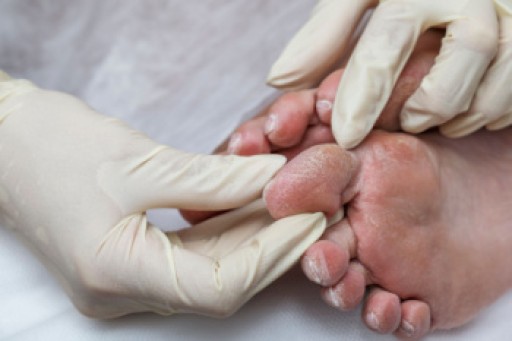
Fungal infection of the toenail, or onychomycosis, typically appears as a gradual change in a toenail’s texture and color that involves brittleness and darkening.  The fungal infection itself occurs beneath the surface of the nail.  Aside from discoloration, other symptoms include the collection of debris beneath the nail plate, white marks on the nail plate, and a foul odor emanating from the nail.  If ignored, the infection can spread into other nails and the skin; in severe cases, it can hinder one’s ability to work or walk. 

The toenails are particularly vulnerable to contracting infection in moist environments where people are likely to be walking barefoot, such as around swimming pools, public showers, and locker rooms.  Fungal infection may also be more likely to occur in nail beds that have been injured, and sufferers of chronic diseases such as diabetes, circulatory problems, or immunodeficiency conditions are particularly prone to developing fungal nails. 

Fungal nails can be primarily prevented by practicing proper hygiene and regularly examining the feet and toes.  Carefully washing the feet with soap and water and thoroughly drying the feet afterwards are essential.  Other tips include wearing shower shoes in public areas, changing shoes and socks daily, keeping toenails clipped at a short length, wearing breathable shoes that fit properly, wearing moisture-wicking socks, and disinfecting home pedicure tools and instruments used to cut nails.

Fungal nail treatment may vary between patients and the severity of the condition.  Your podiatrist may suggest a daily routine of cleansing that spans over a period of time to ease mild infections.  Over-the-counter or prescription antifungal agents may also be prescribed, including topical and/or oral medications.  Debridement, or the removal of diseased nail matter and debris, may also be performed.  In more severe cases, surgical treatment may be needed.  In some instances, the temporary removal of the fungal nail allows for the direct application of a topical antifungal to the nail bed.  In other cases, a chronically painful fungal nail that has not responded to other treatments may be permanently removed; this allows the infection to be cured and avoids the growth of a deformed nail.  

Toenail Fungus and Podiatric Relief

Toenail Fungus and Podiatric Relief

Toenail fungus, medically known as onychomycosis, is a common infection that develops when fungi enter the nail through small cracks in the nail or surrounding skin. Warm moist environments such as locker rooms and tight shoes create ideal conditions for fungal growth. The infection may begin with discoloration, thickening, or a brittle texture and can gradually worsen, if untreated. Diagnosis is confirmed through clinical evaluation and laboratory testing of nail samples to identify the specific organism. Risk factors include diabetes, poor circulation, weakened immunity, aging, and frequent exposure to damp areas. A podiatrist can provide an accurate diagnosis and offer effective treatment options to restore nail health. If you have signs of toenail fungus, it is suggested that you consult a podiatrist who can effectively treat this condition, which may include prescribed medication.

If left untreated, toenail fungus may spread to other toenails, skin, or even fingernails. If you suspect you have toenail fungus it is important to seek treatment right away. For more information about treatment, contact One of our Practitioner of Frankel foot & Ankle. Our practitioner can provide the care you need to keep you pain-free and on your feet.

Symptoms

  • Warped or oddly shaped nails
  • Yellowish nails
  • Loose/separated nail
  • Buildup of bits and pieces of nail fragments under the nail
  • Brittle, broken, thickened nail

Treatment

If self-care strategies and over-the-counter medications does not help your fungus, your podiatrist may give you a prescription drug instead. Even if you find relief from your toenail fungus symptoms, you may experience a repeat infection in the future.

Prevention

In order to prevent getting toenail fungus in the future, you should always make sure to wash your feet with soap and water. After washing, it is important to dry your feet thoroughly especially in between the toes. When trimming your toenails, be sure to trim straight across instead of in a rounded shape. It is crucial not to cover up discolored nails with nail polish because that will prevent your nail from being able to “breathe”.

In some cases, surgical procedure may be needed to remove the toenail fungus. Consult with your podiatrist about the best treatment options for your case of toenail fungus.  

If you have any questions please contact our offices located in Milford, PA Middletown, NY Warwick, NY . We offer the newest diagnostic and treatment technologies for all your foot and ankle needs.

Read more about Treating Toenail Fungus

Gout

Gout

Gout is a form of arthritis that is caused by a buildup of uric acid crystals in the joints. This considered to be one of the most frequently recorded medical illnesses throughout history. Gout occurrences in the US have risen within the past twenty years and the condition now affects 8.3 million people which is 4% of all Americans. Researchers have found that gout affects men more than women and African-American men more than white men. 

Symptoms of gout are warmth, swelling, discoloration, and tenderness in the affected joint area. The small joint on the big toe is the most common place for a gout attack to occur.

People who are obese, gain weight excessively, drink alcohol heavily, have high blood pressure, or have abnormal kidney function are more likely to develop gout. Furthermore, certain drugs and diseases are likely to increase levels of uric acid in the joints which eventually leads to gout. You are also more likely to develop gout if you eat a lot of meat and fish.

Many who experience gout attacks will experience repeated attacks over the years. Some people who have gout symptoms, may never have them again, but others may experience them several times a year. If you have gout symptoms throughout the year, you may have recurrent gout. Those who have gout should also be careful about their urate crystals collecting in their urinary tract, because this may lead to kidney stones.

Diagnosis for gout is done by checking the level of uric acid in the joints and blood. Your podiatrist may also prescribe medicine to reduce uric acid buildup in the blood, which will help prevent any gout attacks.

To treat gout, your podiatrist may also prescribe you Anti-inflammatory medication (NSAIDs) which will relieve the pain and swelling of a gout episode and it can also shorten a gout attack. Maintaining a healthy diet is also a proven method to prevent gout attacks. 

Understanding the Progression of Gout in the Feet

Understanding the Progression of Gout in the Feet

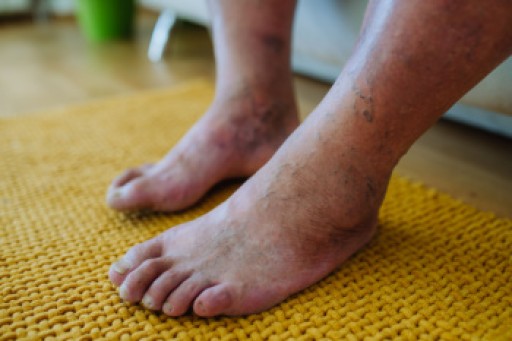
Gout is a form of inflammatory arthritis that often affects the joints of the feet and progresses through distinct stages. Asymptomatic hyperuricemia occurs when uric acid levels rise, but no pain or swelling is present. Acute gout is marked by sudden flare episodes with intense joint pain, redness, warmth, and swelling, commonly in the big toe. Intercritical or interval gout refers to the symptom-free periods between flares, even though uric acid crystals remain in the joint. Additionally, chronic tophaceous gout develops after years of repeated attacks and involves ongoing pain, joint stiffness, and firm crystal deposits that can damage bone and soft tissue. Early stages may seem manageable, but progression can lead to lasting joint problems. Identifying the stage helps guide appropriate care and long-term management. If foot joint pain or repeated flares occur, it is suggested that you see a podiatrist for appropriate care.

Gout is a painful condition that can be treated. If you are seeking treatment, contact One of our Practitioner from Frankel foot & Ankle. Our practitioner will treat your foot and ankle needs.

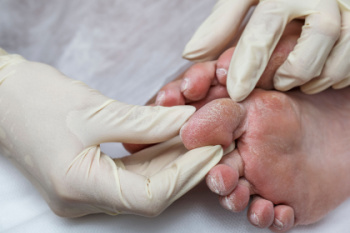
What Is Gout?

Gout is a form of arthritis that is characterized by sudden, severe attacks of pain, redness, and tenderness in the joints. The condition usually affects the joint at the base of the big toe. A gout attack can occur at any random time, such as the middle of the night while you are asleep.

Symptoms

  • Intense Joint Pain - Usually around the large joint of your big toe, and it most severe within the first four to twelve hours
  • Lingering Discomfort - Joint discomfort may last from a few days to a few weeks
  • Inflammation and Redness -Affected joints may become swollen, tender, warm and red
  • Limited Range of Motion - May experience a decrease in joint mobility

Risk Factors

  • Genetics - If family members have gout, you’re more likely to have it
  • Medications - Diuretic medications can raise uric acid levels
  • Gender/Age - Gout is more common in men until the age of 60. It is believed that estrogen protects women until that point
  • Diet - Eating red meat and shellfish increases your risk
  • Alcohol - Having more than two alcoholic drinks per day increases your risk
  • Obesity - Obese people are at a higher risk for gout

Prior to visiting your podiatrist to receive treatment for gout, there are a few things you should do beforehand. If you have gout you should write down your symptoms--including when they started and how often you experience them, important medical information you may have, and any questions you may have. Writing down these three things will help your podiatrist in assessing your specific situation so that he or she may provide the best route of treatment for you.

If you have any questions, please feel free to contact our offices located in Milford, PA Middletown, NY Warwick, NY . We offer the newest diagnostic and treatment technologies for all your foot care needs.
Read more about Gout

Get Proper Treatment for Ankle Injuries

Get Proper Treatment for Ankle Injuries

If you're experiencing ankle pain, you may be suffering from an ankle injury. Sprains, fractures, Achilles tendonitis, and Achilles tendon ruptures are just some examples of potential ankle injuries. Don't wait for care for an ankle injury, as it may worsen over time. We can help!

What to Know About a Broken Toe

What to Know About a Broken Toe

Trauma to the foot, especially the toes, can occur in many ways. Banging them, stubbing them, or dropping something on them are a few different ways this trauma can occur. Given the fact that toes are positioned in front of the feet, they typically sustain the brunt of such trauma. When trauma occurs to a toe, the result can be a painful break or fracture. Another type of trauma that can break a toe is repeated activity that places stress on the toe for prolonged periods of time.

Broken toes can be categorized as either minor or severe fractures. Symptoms of minor toe fractures include throbbing pain, swelling, bruising on the skin and toenail, and the inability to move the toe with ease. Severe toe fractures require medical attention and are indicated when the broken toe appears crooked or disfigured, when there is tingling or numbness in the toe, or when there is an open, bleeding wound present on the toe.

Generally, a minor toe break will heal without long-term complications. However, it is important to discontinue activities that put pressure on the toe. It is best to stay off of the injured toe and immediately get a splint or cast to prevent any more additional movement of the toe bones. You can also immobilize your toe by placing a small cotton ball between the injured toe and the toe beside it. Then, tape the two toes together with medical tape. Swelling can be alleviated by placing an ice pack on the broken toe directly as well as elevating your feet above your head.

Severe toe fractures may be treated with a splint, cast, and in some cases, minor surgery, especially when the big toe has been broken. Due to its position and the pressure the big toe endures with daily activity, future complications can occur if it is not properly treated. Pain associated with minor toe fractures can be managed with over-the-counter pain medications. Prescription pain killers may be necessary for severe toe fractures.

The healing time for a broken toe is approximately four to six weeks. In severe cases where the toe becomes infected or requires surgery, healing time can take up to eight weeks or more. While complications associated with a broken toe are immediately apparent, it is important to note that there are rare cases when additional complications, such as osteoarthritis, can develop over time. You should immediately speak with your podiatrist if you think you have broken your toe due to trauma. They will be able to diagnose the injury and recommend the appropriate treatment options. 

Treatment of a Broken Toe

Treatment of a Broken Toe

Breaking a toe can occur when it strikes a hard object or when something heavy lands on the foot. Symptoms include pain, swelling, bruising, and difficulty bearing weight, and the toe may look angled. A podiatrist determines whether the injury is a fracture or a sprain through examination and imaging, such as X-rays. Treatment of a broken toe focuses on stabilizing the bone so it heals in proper alignment. This may involve medical splinting to a neighboring toe, protective footwear, or a walking cast to limit motion and reduce joint stress. More severe fractures with displaced fragments or joint involvement may require surgical repair using small pins or screws. Proper care helps prevent long-term complications like stiffness, arthritis, or chronic walking pain. A podiatrist also monitors healing and guides the return to activity. If you have pain from a broken toe, it is suggested that you make an appointment with a podiatrist for an exam, diagnosis, and treatment.

A broken toe can be very painful and lead to complications if not properly fixed. If you have any concerns about your feet, contact One of our Practitioner from Frankel foot & Ankle. Our practitioner will treat your foot and ankle needs.

What to Know About a Broken Toe

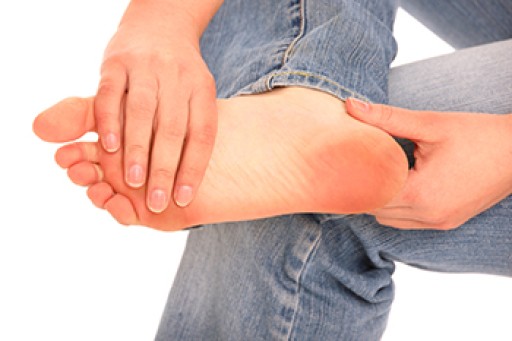
Although most people try to avoid foot trauma such as banging, stubbing, or dropping heavy objects on their feet, the unfortunate fact is that it is a common occurrence. Given the fact that toes are positioned in front of the feet, they typically sustain the brunt of such trauma. When trauma occurs to a toe, the result can be a painful break (fracture).

Symptoms of a Broken Toe

  • Throbbing pain
  • Swelling
  • Bruising on the skin and toenail
  • The inability to move the toe
  • Toe appears crooked or disfigured
  • Tingling or numbness in the toe

Generally, it is best to stay off of the injured toe with the affected foot elevated.

Severe toe fractures may be treated with a splint, cast, and in some cases, minor surgery. Due to its position and the pressure it endures with daily activity, future complications can occur if the big toe is not properly treated.

If you have any questions, please feel free to contact our offices located in Milford, PA Middletown, NY Warwick, NY . We offer the newest diagnostic and treatment technologies for all your foot care needs.
Read more about What to Know About a Broken Toe
scroll to top