Sever's Disease

Sever's Disease

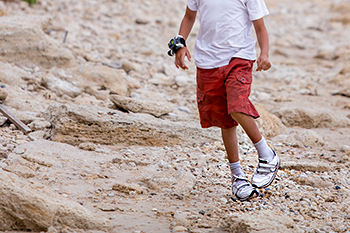
Sever’s disease, also known as calcaneal apophysitis is a common bone disorder that occurs during childhood. The disease is defined as an inflammation of the growth plate in the heel. When a child has a growth spurt, his heel bone grows faster than the muscles, tendons, and ligaments in his leg. This disease is a result of overuse. The people who are most likely to be affected by this disease are children who are in a growth spurt, especially boys who are from the ages of 5 to 13 years old. 60% of children with Sever’s disease have both heels involved.

Symptoms of this disease are heel pain that intensifies during running and jumping activities. The pain is typically localized to the posterior part of the heel. Symptoms may be severe, and they can easily interfere with daily activities. Children who play soccer, baseball, and basketball are more likely to develop Sever’s disease.

Your doctor will diagnose your child based on his or her symptoms, x-rays are generally not helpful in diagnosing this disease. Your doctor may examine both heels and ask your child questions about his or her activity level in sports. Your doctor may then use the squeeze test on your child’s heel to see if there is any pain. Nevertheless, some doctors might still use x-rays to rule out any other issues such as fractures, infections, and tumors.

Sever’s disease can be prevented by maintaining good flexibility while your child is growing. Another prevention method is to wear good-quality shoes that have firm support and a shock-absorbent sole. Sever’s disease can be treated by ceasing any activity that causes heel pain. You should apply ice to the injured heel for 20 minutes 3 times a day. Additionally, orthotics should be used for children who have high arches, flat feet, or bowed legs.

If you suspect your child has Sever’s disease, you should make an appointment with your podiatrist to have his or her foot examined. Your doctor may recommend nonsteroidal anti-inflammatory drugs (NSAIDs), such as ibuprofen or naproxen to relieve pain. In more severe cases, your child may need a cast to rest his or her heel. Fortunately, Sever’s disease does not cause long-term foot problems. After treatment, your child should start to feel better within two weeks to two months.

Definition of Sever’s Disease and Risk Factors

Definition of Sever’s Disease and Risk Factors

Sever’s disease is a common growth-related heel condition that affects active children and adolescents during periods of rapid development. It occurs when repetitive stress and tension irritate the growth plate at the back of the heel where the Achilles tendon attaches. Causes often include running, jumping, tight calf muscles and overuse during sports activities. Risk factors may include high activity levels, wearing improper footwear, flat feet, or rapid growth spurts. A podiatrist can help by providing an accurate diagnosis recommending activity modification, custom orthotics, stretching, guidance, and supportive footwear to reduce strain on the heel. Early care can ease pain, improve mobility, and prevent ongoing discomfort. If your active child has heel pain, it is suggested that you consult a podiatrist who can offer effective relief and management tips.

Sever's disease often occurs in children and teens. If your child is experiencing foot or ankle pain, see One of our Practitioner from Frankel foot & Ankle. Our practitioner can treat your child’s foot and ankle needs.

Sever’s Disease

Sever’s disease is also known as calcaneal apophysitis, which is a medical condition that causes heel pain I none or both feet. The disease is known to affect children between the ages of 8 and 14.

Sever’s disease occurs when part of the child’s heel known as the growth plate (calcaneal epiphysis) is attached to the Achilles tendon. This area can suffer injury when the muscles and tendons of the growing foot do not keep pace with bone growth. Therefore, the constant pain which one experiences at the back of the heel will make the child unable to put any weight on the heel. The child is then forced to walk on their toes.

Symptoms

Acute pain – Pain associated with Sever’s disease is usually felt in the heel when the child engages in physical activity such as walking, jumping and or running.

Highly active – Children who are very active are among the most susceptible in experiencing Sever’s disease, because of the stress and tension placed on their feet.

If you have any questions, please feel free to contact our offices located in Milford, PA Middletown, NY Warwick, NY . We offer the newest diagnostic and treatment technologies for all your foot care needs.

Read more about Sever's Disease

Foot Pain

Foot Pain

Our feet are arguably the most important parts of our bodies because they are responsible for getting us from place to place.  However, we often don’t think about our feet until they begin to hurt. If you have pain in your feet, you need to first determine where on the foot you are experiencing it to get to the root of the problem. The most common areas to feel pain on the foot are the heel and the ankle.

Heel pain is most commonly attributed to a condition called plantar fasciitis. Plantar fasciitis occurs when the plantar fascia, which is the band of tough tissue connecting the heel bone to the toes becomes inflamed. Plantar fasciitis pain is usually worse in the morning, and it tends to go away throughout the day. If you have plantar fasciitis, you should rest your foot and do heel and foot muscles stretches. Wearing shoes with proper arch support and a cushioned sole has also been proven to be beneficial.

Some common symptoms of foot pain are redness, swelling, and stiffness. Foot pain can be dull or sharp depending on its underlying cause. Toe pain can also occur, and it is usually caused by gout, bunions, hammertoes, ingrown toenails, sprains, fractures, and corns.

If you have severe pain in your feet, you should immediately seek assistance from your podiatrist for treatment. Depending on the cause of your pain, your podiatrist may give you a variety of treatment options.

Why Skiing Can Cause Foot Pain

Why Skiing Can Cause Foot Pain

Foot pain while skiing is common and often linked to the fit and function of your ski boots. Boots that are too big allow the foot to move excessively, which can lead to friction and painful blisters. When boots are too small, they compress the foot and limit circulation, creating pressure points and discomfort that can quickly ruin your time on the slopes. Hard turns, cold temperatures, and improper foot alignment can also add stress to the arches, heels, and toes. A podiatrist can assess your foot structure, identify pressure areas, and recommend custom orthotics or proper boot fitting strategies to enhance comfort and control. If foot pain is holding you back from enjoying skiing, it is suggested that you schedule a visit with a podiatrist for expert guidance and relief.

Foot Pain

Foot pain can be extremely painful and debilitating. If you have a foot pain, consult with One of our Practitioner from Frankel foot & Ankle. Our practitioner will assess your condition and provide you with quality foot and ankle treatment.

Causes

Foot pain is a very broad condition that could be caused by one or more ailments. The most common include:

  • Bunions
  • Hammertoes
  • Plantar Fasciitis
  • Bone Spurs
  • Corns
  • Tarsal Tunnel Syndrome
  • Ingrown Toenails
  • Arthritis (such as Gout, Rheumatoid, and Osteoarthritis)
  • Flat Feet
  • Injury (from stress fractures, broken toe, foot, ankle, Achilles tendon ruptures, and sprains)
  • And more

Diagnosis

To figure out the cause of foot pain, podiatrists utilize several different methods. This can range from simple visual inspections and sensation tests to X-rays and MRI scans. Prior medical history, family medical history, and any recent physical traumatic events will all be taken into consideration for a proper diagnosis.

Treatment

Treatment depends upon the cause of the foot pain. Whether it is resting, staying off the foot, or having surgery; podiatrists have a number of treatment options available for foot pain.

If you have any questions, please feel free to contact our offices located in Milford, PA Middletown, NY Warwick, NY . We offer the newest diagnostic and treatment technologies for all your foot care needs.

Read more about Foot Pain

Athlete's Foot

Athlete's Foot

Athlete’s foot is an extremely contagious infection caused by a fungus that results in itching, burning, dry, and flaking feet. The fungus that causes athlete’s foot is known as tinea pedis and thrives in moist, dark areas such as shower floors, gyms, socks and shoes, commons areas, public changing areas, bathrooms, dormitory style houses, locker rooms, and public swimming pools. Athlete’s foot is difficult to treat as well because of the highly contagious and recurrent nature of the fungus.

Tinea is the same fungus that causes ringworm, and is spread by direct contact with an infected body part, contaminated clothing, or by touching other objects and body parts that have been exposed to the fungus. Because the feet are an ideal place for tinea to grow and spread, this is the most commonly affected area.  It is, however, known to grow in other places. The term athlete’s foot describes tinea that grows strictly on the feet.

The most commonly infected body parts are the hands, groin, and scalp, as well as the feet. Around 70% of the population suffer from tinea infections at some point in their lives, however not all of these cases are athlete’s foot. Just like any other ailment, some people are more likely to get it than others, such as people with a history of tinea infections or other skin infections, both recurring and non-recurring ones. The extent to which a person experiences regrowth and recurrent tinea infections varies from person to person.

Sometimes people will not even know that they are infected with tinea or that they have athlete’s foot because of a lack of symptoms. However, most experience mild to moderate flaking, itching, redness, and burning. However, some of the more severe symptoms include cracking and bleeding skin, intense itching and burning, pain while walking or standing, and even blistering.

Because of the recurring nature of the tinea fungus and the athlete’s foot it causes, the best way to treat this condition is with prevention. You can take some preventative measures such as wearing flip flops or sandals in locker rooms and public showers to reduce contact with the floor. It also helps to keep clean, dry feet while allowing them to breathe. Using powders to keep your feet dry is a good idea, as well as keeping your feet exposed to light and cool air, to prevent the growth of tinea. If you do happen to get athlete’s foot, opt for using topical medicated creams, ointments or sprays. These treatments help eliminate and prevent it from coming back.

Athlete's Foot and How It Affects Skin Health

Athlete's Foot and How It Affects Skin Health

Athlete's foot, also known as tinea pedis, is a common fungal infection that affects the skin of the feet. It often begins between the toes and may cause itching, redness, scaling, burning, or cracking skin. Warm, damp environments like sweaty shoes and locker rooms allow fungus to thrive and spread easily. Symptoms of athlete’s foot can return if the infection is not fully cleared. Persistent moisture, skin breaks, and weakened immunity can increase risk. Proper foot hygiene, drying the feet thoroughly, and wearing breathable footwear help reduce recurrence. Untreated infections can spread to the nails or other areas of the foot. If you suspect you have persistent athlete’s foot, it is suggested that you see a podiatrist who can confirm the diagnosis and prescribe appropriate treatment, which may include prescription topical or oral medication. 

Athlete’s Foot

Athlete’s foot is often an uncomfortable condition to experience. Thankfully, podiatrists specialize in treating athlete’s foot and offer the best treatment options. If you have any questions about athlete’s foot, consult with One of our Practitioner from Frankel foot & Ankle. Our practitioner will assess your condition and provide you with quality treatment.

What Is Athlete’s Foot?

Tinea pedis, more commonly known as athlete’s foot, is a non-serious and common fungal infection of the foot. Athlete’s foot is contagious and can be contracted by touching someone who has it or infected surfaces. The most common places contaminated by it are public showers, locker rooms, and swimming pools. Once contracted, it grows on feet that are left inside moist, dark, and warm shoes and socks.

Prevention

The most effective ways to prevent athlete’s foot include:

  • Thoroughly washing and drying feet
  • Avoid going barefoot in locker rooms and public showers
  • Using shower shoes in public showers
  • Wearing socks that allow the feet to breathe
  • Changing socks and shoes frequently if you sweat a lot

Symptoms

Athlete’s foot initially occurs as a rash between the toes. However, if left undiagnosed, it can spread to the sides and bottom of the feet, toenails, and if touched by hand, the hands themselves. Symptoms include:

  • Redness
  • Burning
  • Itching
  • Scaly and peeling skin

Diagnosis and Treatment

Diagnosis is quick and easy. Skin samples will be taken and either viewed under a microscope or sent to a lab for testing. Sometimes, a podiatrist can diagnose it based on simply looking at it. Once confirmed, treatment options include oral and topical antifungal medications.

If you have any questions, please feel free to contact our offices located in Milford, PA Middletown, NY Warwick, NY . We offer the newest diagnostic and treatment technologies for all your foot care needs.

Read more about Athlete's Foot

Falls Prevention

Falls Prevention

Elderly Americans are very susceptible to falls as they get older. Everyone experiences decreases in flexibility, balance, strength, and the senses as they age. This correlates to some eye-opening statistics. 1 in 4 Americans aged 65 and older fall each year. An elderly American is being treated for a fall in an emergency room every 11 seconds. In light of these striking statistics, one can see the importance of taking steps to prevent falls.

Finding an exercise program for the elderly is an excellent way to reduce the likelihood of falls. Look for an exercise program that improves strength and balance. Elderly people who live a more sedentary lifestyle, with little physical activity, are at an increased risk of falling. Wearing well-fitted footwear that provides good foot support and cushion will help prevent falls from poorly fitted shoes. Talking to a podiatrist about your susceptibility to falls and about inspecting your prescriptions will help to avoid any medication that could make falls more likely. Due to a decline in the senses among the elderly, having your eyes and hearing checked is recommended.

Around half of all falls occur in the household. Removing tripping hazards in the home and making it more accommodating to older persons can significantly reduce falls. Some notable household changes include increasing lighting around the house, installing grab bars in the shower and bathroom, and making sure the floor is clear of clutter. Other smart options include installing a shower chair, using rubber-bottomed rugs, and placing railings on both sides of stairwells.  

Finally, discuss with a doctor and your family about your fear of falling. This will help to increase awareness among the population on the need for fall prevention. A lack of awareness on the matter, and a downplaying of importance are what increase the risks of falling. Following these tips can help to reduce the risk for yourself and your loved ones.

Falls and How to Prevent Them

Falls and How to Prevent Them

Slips, trips and falls are common accidents that happen when there is not enough friction between footwear and the surface, or when unexpected obstacles interfere with safe movement. Obstructions on the floor, poor lighting, and limited attention to surroundings can all increase the risk. Preventing these accidents begins with simple habits such as cleaning spills right away, keeping walkways clear, using handrails on stairs, and wearing shoes that provide extra traction. Wearing supportive footwear can greatly reduce instability and improve balance. A podiatrist can identify foot conditions that contribute to unsteady gait, recommend proper footwear, and create a plan to reduce your fall risk. If you have foot or ankle pain from falling, it is suggested that you consult a podiatrist who can treat various foot and ankle conditions, and guide you on additional fall prevention tips.

Preventing falls among the elderly is very important. If you are older and have fallen or fear that you are prone to falling, consult with One of our Practitioner from Frankel foot & Ankle. Our practitioner will assess your condition and provide you with quality advice and care.

Every 11 seconds, an elderly American is being treated in an emergency room for a fall related injury. Falls are the leading cause of head and hip injuries for those 65 and older. Due to decreases in strength, balance, senses, and lack of awareness, elderly persons are very susceptible to falling. Thankfully, there are a number of things older persons can do to prevent falls.

How to Prevent Falls

Some effective methods that older persons can do to prevent falls include:

  • Enrolling in strength and balance exercise program to increase balance and strength
  • Periodically having your sight and hearing checked
  • Discuss any medications you have with a doctor to see if it increases the risk of falling
  • Clearing the house of falling hazards and installing devices like grab bars and railings
  • Utilizing a walker or cane
  • Wearing shoes that provide good support and cushioning
  • Talking to family members about falling and increasing awareness

Falling can be a traumatic and embarrassing experience for elderly persons; this can make them less willing to leave the house, and less willing to talk to someone about their fears of falling. Doing such things, however, will increase the likelihood of tripping or losing one’s balance. Knowing the causes of falling and how to prevent them is the best way to mitigate the risk of serious injury.  

If you have any questions, please feel free to contact our offices located in Milford, PA Middletown, NY Warwick, NY . We offer the newest diagnostic and treatment technologies for all your foot care needs.

Read more about Falls Prevention

Ankle Fracture? Don’t Wait for Treatment

Ankle Fracture? Don’t Wait for Treatment

If you're suffering from an ankle fracture, professional attention shouldn't wait. Fractures may worsen over time and can make completing everyday activities incredibly difficult. See your specialist for treatment and guidance through the healing process. 

Ingrown Toenails

Ingrown Toenails

An ingrown toenail is a nail that has curved downward and grown into the skin.  This typically occurs at either the nail borders or the sides of the nail.  As a result, pain, redness, swelling, and warmth may occur in the toe.  If a break in the skin forms due to the ingrown nail, bacteria may enter and cause an infection in the area; this is typically characterized by a foul odor and drainage.

Ingrown toenails have multiple reasons for developing.  In many instances, the condition is a result of genetics and is inherited.  The most common cause, however, is improper trimming; cutting the toenails too short forces the skin beside the nail to fold over.  An ingrown toenail can also develop due to trauma, such as stubbing the toe, having an object fall on the toe, or participating in activities that involve repeated kicking or running.  Wearing shoes that are too tight or too short can also cause ingrown toenails.

Treatment for an ingrown toenail varies between patients and the severity of the condition.  In most cases, it is best to see your podiatrist for thorough and proper treatment.  After examining your toe, your podiatrist may prescribe oral antibiotics to clear the infection if one is present.  Surgical removal of either a portion of the nail or the entire nail may also be considered.  In some cases, complete removal or destruction of the nail root may be required.  Most patients who undergo nail surgery experience minimal pain afterward and can return to normal activity the following day.

Ingrown toenails can be prevented with proper nail trimming and by avoiding improper-fitting shoes.  When cutting the toenails, be sure that you are cutting in a straight line and avoid cutting them too short.  Shoes should not be too short or tight in the toe box.

scroll to top