
Neuropathy is a condition that can lead to numbness or loss of sensation in the feet, but it can also cause pain. This condition is more likely to develop for those who are diabetic, obese, or with high blood pressure.
Neuropathy is a condition that can lead to numbness or loss of sensation in the feet, but it can also cause pain. This condition is more likely to develop for those who are diabetic, obese, or with high blood pressure.

Hyperuricemia, or gout, is a condition caused by high levels of uric acid in the blood, leading to crystal deposits in joints. Although rare in children and adolescents, it can occur due to genetic factors, kidney issues, obesity, or certain medications. Risk factors include a family history of gout, poor diet, and metabolic disorders. Symptoms include sudden joint pain, redness, swelling, and warmth, often affecting the big toe. These painful flare ups can limit mobility and daily activities. A podiatrist can provide an accurate diagnosis, pain management, lifestyle recommendations, and supportive footwear to prevent recurring attacks. If your child or teenager has symptoms of gout, it is strongly suggested that you consult a podiatrist who can offer effective treatment and relief tips for this painful condition.
Gout is a foot condition that requires certain treatment and care. If you are seeking treatment, contact One of our Practitioner from Frankel foot & Ankle. Our practitioner will treat your foot and ankle needs.
What Is Gout?
Gout is a type of arthritis caused by a buildup of uric acid in the bloodstream. It often develops in the foot, especially the big toe area, although it can manifest in other parts of the body as well. Gout can make walking and standing very painful and is especially common in diabetics and the obese.
People typically get gout because of a poor diet. Genetic predisposition is also a factor. The children of parents who have had gout frequently have a chance of developing it themselves.
Gout can easily be identified by redness and inflammation of the big toe and the surrounding areas of the foot. Other symptoms include extreme fatigue, joint pain, and running high fevers. Sometimes corticosteroid drugs can be prescribed to treat gout, but the best way to combat this disease is to get more exercise and eat a better diet.
If you have any questions, please feel free to contact our offices located in Milford, PA Middletown, NY Warwick, NY . We offer the newest diagnostic and treatment technologies for all your foot care needs.

Pain in the ball of the foot, also called forefoot pain, can result from several conditions that affect the bones, joints, or soft tissues in this area. Metatarsalgia is one of the most frequent causes of pain in the ball of the foot. It develops when repetitive pressure on the metatarsal bones leads to inflammation and aching across the forefoot. Morton’s neuroma is another culprit, where a thickened nerve, usually between the 3rd and 4th toes, causes sharp or burning pain and sometimes numbness. A bunion deformity can shift pressure onto the ball of the foot, causing a change of gait that leads to pain and stiffness. A podiatrist can provide a thorough exam, identify the underlying cause, recommend footwear changes or orthotics, and determine whether surgery is needed. If you are experiencing pain in the ball of your foot, it is suggested that you make an appointment with a podiatrist for an exam, diagnosis, and treatment.
Foot Pain
Foot pain can be extremely painful and debilitating. If you have a foot pain, consult with One of our Practitioner from Frankel foot & Ankle. Our practitioner will assess your condition and provide you with quality foot and ankle treatment.
Causes
Foot pain is a very broad condition that could be caused by one or more ailments. The most common include:
Diagnosis
To figure out the cause of foot pain, podiatrists utilize several different methods. This can range from simple visual inspections and sensation tests to X-rays and MRI scans. Prior medical history, family medical history, and any recent physical traumatic events will all be taken into consideration for a proper diagnosis.
Treatment
Treatment depends upon the cause of the foot pain. Whether it is resting, staying off the foot, or having surgery; podiatrists have a number of treatment options available for foot pain.
If you have any questions, please feel free to contact our offices located in Milford, PA Middletown, NY Warwick, NY . We offer the newest diagnostic and treatment technologies for all your foot care needs.
 Although the movements of walking and running are similar, the areas of the body affected and the force of impact vary. When running, more force is exerted from the knees, ankles, and hips, with far greater impact than walking. Also, the heel, mid-foot, and toes bear the heaviest weight load as they strike the ground during running, while walking tends to distribute weight more evenly across the foot. All of these factors dictate that different types of shoes and levels of support are necessary for running versus walking. A good running shoe will have more cushioning than is necessary in a walking shoe, with a heel that is flared and raised higher than the toe. Running shoes are not as flexible as walking shoes, with most flexibility occurring in the arch and middle of the foot, whereas a good walking shoe will have more flexibility overall and particularly in the front of the foot to enable a powerful push-off. The heels on walking shoes should not be flared or much higher than the toes at all. A podiatrist can offer more specific criteria on footwear for runners and walkers to achieve peak performance and reduce the risk of injury.
If you are a runner, wearing the right running shoe is essential. For more information, contact One of our Practitioner from Frankel foot & Ankle. Our practitioner can provide the care you need to keep you pain-free and on your feet.
Choosing the Right Running Shoe for Your Foot Type
To increase performance and avoid the risk of injury, it is important to choose the right running shoe based on your foot type. The general design of running shoes revolves around pronation, which is how the ankle rolls from outside to inside when the foot strikes the ground.
If you have any questions, please feel free to contact our offices located in Milford, PA Middletown, NY Warwick, NY . We offer the newest diagnostic and treatment technologies for all your foot care needs.

Achilles tendonitis is a common injury in runners, often linked to repetitive stress on the thick tendon that connects the calf muscles to the heel. Early signs include stiffness in the morning, aching at the back of the ankle, or tenderness when beginning a run. With continued strain, the discomfort can worsen, making even walking or climbing stairs uncomfortable. Risk factors include sudden increases in mileage, uphill training, tight calf muscles, or worn shoes that fail to support the foot properly. Rest and gentle stretching may ease mild cases, while wearing supportive footwear and orthotics can help prevent recurrence. Severe or long-lasting pain may require more advanced treatment, including targeted exercise. If you are a runner struggling with persistent Achilles tendon pain, it is suggested that you consult a podiatrist for a proper evaluation and care plan.
Achilles tendon injuries need immediate attention to avoid future complications. If you have any concerns, contact One of our Practitioner of Frankel foot & Ankle. Our practitioner can provide the care you need to keep you pain-free and on your feet.
What Is the Achilles Tendon?
The Achilles tendon is a tendon that connects the lower leg muscles and calf to the heel of the foot. It is the strongest tendon in the human body and is essential for making movement possible. Because this tendon is such an integral part of the body, any injuries to it can create immense difficulties and should immediately be presented to a doctor.
What Are the Symptoms of an Achilles Tendon Injury?
There are various types of injuries that can affect the Achilles tendon. The two most common injuries are Achilles tendinitis and ruptures of the tendon.
Achilles Tendinitis Symptoms
Rupture Symptoms
Treatment and Prevention
Achilles tendon injuries are diagnosed by a thorough physical evaluation, which can include an MRI. Treatment involves rest, physical therapy, and in some cases, surgery. However, various preventative measures can be taken to avoid these injuries, such as:
If you have any questions please feel free to contact our offices located in Milford, PA Middletown, NY Warwick, NY . We offer the newest diagnostic tools and technology to treat your foot and ankle needs.

Toe pain does not always come from an injury and can often result from underlying conditions that affect the feet. Skin problems are a common source of toe pain. Corns, calluses, blisters, warts, athlete’s foot, and ingrown toenails may cause discomfort, redness, or swelling. Infections can also lead to painful changes in the toenails or surrounding skin. Joint issues, such as bunions, bunionettes, hammer toes, arthritis, or gout, can make walking difficult and alter toe alignment. Pain may also develop in the ball of the foot from metatarsalgia. Nerve problems such as Morton’s neuroma, tarsal tunnel syndrome, or neuropathy can produce tingling, burning, or numbness in the toes. Additionally, circulatory changes, often seen in people with diabetes, can further contribute to nerve damage and pain. A podiatrist can diagnose the source of your toe pain and provide effective treatment, depending on the condition. If you are experiencing toe pain, it is suggested that you schedule an appointment with a podiatrist for appropriate treatment.
Toe pain can disrupt your daily activities. If you have any concerns, contact One of our Practitioner of Frankel foot & Ankle. Our practitioner can provide the care you need to keep you pain-free and on your feet.
What Causes Toe Pain?
Most severe toe pain is caused due to a sports injury, trauma from dropping something heavy on the toe, or bumping into something rigid. Other problems can develop over time for various reasons.
Toe pain can be caused by one or more ailments. The most common include:
When to See a Podiatrist
Diagnosis
In many cases the cause of toe pain is obvious, but in others, a podiatrist may want to use more advanced methods to determine the problem. These can range from simple visual inspections and sensation tests to X-rays and MRI scans. Prior medical history, family medical history, and any recent physical traumatic events will all be taken into consideration for a proper diagnosis.
Treatment
Treatments for toe pain and injuries vary and may include shoe inserts, padding, taping, medicines, injections, and in some cases, surgery. If you believe that you have broken a toe, please see a podiatrist as soon as possible.
If you have any questions please contact our offices located in Milford, PA Middletown, NY Warwick, NY . We offer the newest diagnostic and treatment technologies for all your foot and ankle needs.
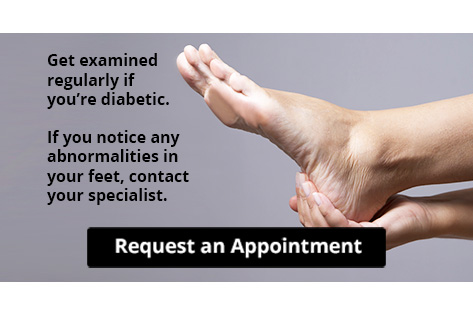
Diabetic patients often have decreased sensitivity in their feet, which makes a visual inspection of the feet even more important. If you're diabetic, having periodic screenings is extremely important for maintaining the overall health of your feet.
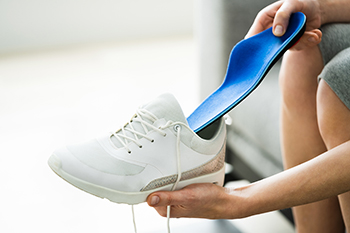
Orthotics are custom or prefabricated shoe inserts designed to support, align, and improve the function of the feet. They come in different types, including rigid orthotics for control, soft orthotics for cushioning, and semi-rigid devices that combine both benefits. People may need orthotics to relieve pain from conditions like plantar fasciitis, flat feet, bunions, or arthritis, as well as to improve posture and prevent injuries. A podiatrist can evaluate your gait, diagnose underlying issues, and recommend the right orthotic solution tailored to your needs. If you are experiencing foot or ankle discomfort, it is suggested that you consult a podiatrist who can determine if orthotics will benefit you and what type of orthotic is right for you.
If you are having discomfort in your feet and would like to try orthotics, contact One of our Practitioner from Frankel foot & Ankle. Our practitioner can provide the care you need to keep you pain-free and on your feet.
What Are Orthotics?
Orthotics are inserts you can place into your shoes to help with a variety of foot problems such as flat feet or foot pain. Orthotics provide relief and comfort for minor foot and heel pain but can’t correct serious biomechanical problems in your feet.
Over-the-Counter Inserts
Orthotics come in a wide variety of over-the-counter inserts that are used to treat foot pain, heel pain, and minor problems. For example, arch supports can be inserted into your shoes to help correct overarched or flat feet, while gel insoles are often used because they provide comfort and relief from foot and heel pain by alleviating pressure.
Prescription Orthotics
If over-the-counter inserts don’t work for you or if you have a more severe foot concern, it is possible to have your podiatrist prescribe custom orthotics. These high-quality inserts are designed to treat problems such as abnormal motion, plantar fasciitis, and severe forms of heel pain. They can even be used to help patients suffering from diabetes by treating foot ulcers and painful calluses and are usually molded to your feet individually, which allows them to provide full support and comfort.
If you are experiencing minor to severe foot or heel pain, it’s recommended to speak with your podiatrist about the possibilities of using orthotics. A podiatrist can determine which type of orthotic is right for you and allow you to take the first steps towards being pain-free.
If you have any questions, please feel free to contact our offices located in Milford, PA Middletown, NY Warwick, NY . We offer the newest diagnostic and treatment technologies for all your foot care needs.
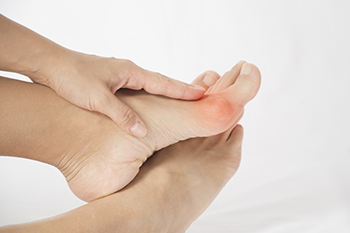
Bunions are a foot condition where the top of the big toe angles toward the second toe, and a bony bump forms at the base of the big toe. They often develop due to genetics, wearing tight or narrow shoes, arthritis, or foot stress. Symptoms include redness, swelling, and soreness surrounding the joint, as well as pain while walking or wearing shoes. The skin over the bunion may become thick and callused, and the toe can become stiff or difficult to move. Bunions can worsen over time, if left untreated, leading to increased discomfort and changes in foot shape. A podiatrist can diagnose a bunion through a physical exam and X-rays to assess its severity. Treatment includes custom orthotics, footwear changes, anti-inflammatory medication, and, in more severe cases, surgery to realign the joint. Early care can prevent further progression and ease discomfort. If you have a painful bunion, it is suggested that you schedule an appointment with a podiatrist for effective relief and treatment solutions.
If you are suffering from bunions, contact One of our Practitioner of Frankel foot & Ankle. Our practitioner can provide the care you need to keep you pain-free and on your feet.
What Is a Bunion?
A bunion is formed of swollen tissue or an enlargement of boney growth, usually located at the base joint of the toe that connects to the foot. The swelling occurs due to the bones in the big toe shifting inward, which impacts the other toes of the foot. This causes the area around the base of the big toe to become inflamed and painful.
Why Do Bunions Form?
Genetics – Susceptibility to bunions are often hereditary
Stress on the feet – Poorly fitted and uncomfortable footwear that places stress on feet, such as heels, can worsen existing bunions
How Are Bunions Diagnosed?
Podiatrists often perform two tests – blood tests and x-rays – when trying to diagnose bunions, especially in the early stages of development. Blood tests help determine if the foot pain is being caused by something else, such as arthritis, while x-rays provide a clear picture of your bone structure to your provider.
How Are Bunions Treated?
If you have any questions, please feel free to contact our offices located in Milford, PA Middletown, NY Warwick, NY . We offer the newest diagnostic and treatment technologies for all your foot care needs.

Preventing falls in the home begins with making the environment safer and more supportive. Removing clutter from walkways reduces tripping hazards, while improved lighting helps you see obstacles clearly. Installing handrails along stairs and in bathrooms adds stability, and a curbless shower provides easy access for those with limited mobility. Foot pain, instability, or balance issues can increase the risk of falling. A podiatrist can evaluate your foot structure, address any conditions affecting your gait, and recommend proper footwear or orthotics for added support. Protect your safety and independence by making thoughtful changes in your living space. If you have sustained a foot or ankle injury from falling, it is suggested that you consult a podiatrist who can treat various foot injuries, and offer additional guidance on effective fall prevention tips.
Preventing falls among the elderly is very important. If you are older and have fallen or fear that you are prone to falling, consult with One of our Practitioner from Frankel foot & Ankle. Our practitioner will assess your condition and provide you with quality advice and care.
Every 11 seconds, an elderly American is being treated in an emergency room for a fall related injury. Falls are the leading cause of head and hip injuries for those 65 and older. Due to decreases in strength, balance, senses, and lack of awareness, elderly persons are very susceptible to falling. Thankfully, there are a number of things older persons can do to prevent falls.
How to Prevent Falls
Some effective methods that older persons can do to prevent falls include:
Falling can be a traumatic and embarrassing experience for elderly persons; this can make them less willing to leave the house, and less willing to talk to someone about their fears of falling. Doing such things, however, will increase the likelihood of tripping or losing one’s balance. Knowing the causes of falling and how to prevent them is the best way to mitigate the risk of serious injury.
If you have any questions, please feel free to contact our offices located in Milford, PA Middletown, NY Warwick, NY . We offer the newest diagnostic and treatment technologies for all your foot care needs.
© 2019 - 2026 The Frankel Foot & Ankle Center | Sitemap | Nondiscrimination | Designed by Podiatry Content Connection
