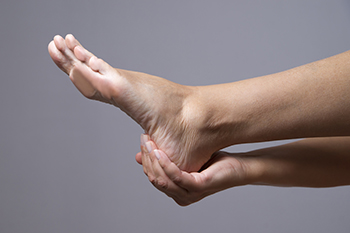
What Your Feet Say About Your Health

Your feet can reveal important clues about your overall health. Hairless feet and toes may signal poor circulation, often linked to vascular issues. Frequent foot cramping might suggest dehydration or a lack of essential nutrients, such as potassium or magnesium. A sore that does not heal could be an early sign of diabetes, indicating reduced blood flow or nerve damage. Cold feet may point to hypothyroidism, where reduced thyroid activity affects circulation and body temperature. A podiatrist is trained to recognize these warning signs, provide diagnostic support, and guide you toward appropriate care. If you have foot pain or notice unusual changes in your feet, it is strongly suggested that you schedule an appointment with a podiatrist who can treat various foot conditions.

When dealing with systemic disease of the feet, it is extremely important to check the affected areas routinely so that any additional problems are caught quickly.  If you have any concerns about your feet and ankles contact One of our Practitioner from Frankel foot & Ankle. Our practitioner will assist you with all of your podiatric needs.

Systemic Diseases of the Feet

Systemic diseases affect the whole body, and symptoms usually are displayed in the feet. This condition can make a patient’s ability to walk unbearable.  Systemic diseases include gout, diabetes mellitus, neurological disorders, and arthritis.

Gout – is caused by an excess of uric acid in the body. Common symptoms include pain, inflammation, and redness at the metatarsal/phalangeal joint of the base big toe. Gout can be treated by NSAIDs to relieve pain and inflammation, and other drugs that lower the acid levels in the body.

Diabetes mellitus – is an increase in the level of blood sugar that the body cannot counteract with its own insulin. Failure to produce enough insulin is a factor in Diabetes.

Diabetes of the Feet

Diabetic Neuropathy – may lead to damaged nerves and affect the feet through numbness and loss of sensation.

Peripheral Vascular Disease – can restrict the blood flow to the feet, and often times lead to amputation of the feet. 

If you have any questions please contact our offices located in Milford, PA Middletown, NY Warwick, NY . We offer the newest diagnostic and treatment technologies for all your foot and ankle needs.

Read more about Systemic Diseases of the Foot

Get Professional Care for a Broken Foot or Ankle

Constant care and regular evaluation are important for a foot or ankle fracture. If left untreated, foot or ankle fractures can worsen over time and create more serious problems.

Don't wait to be examined if you believe you've experienced a foot or ankle fracture.

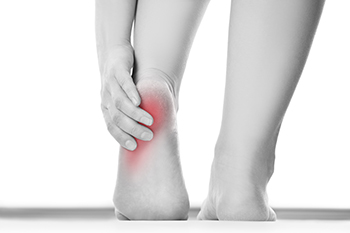
The Right Footwear Can Ease a Leading Source of Heel Pain

Persistent heel soreness is a frequent complaint, and footwear often plays a bigger role than people realize. Many cases stem from stress placed on the band of tissue that supports the underside of the foot. Shoes lacking in support, structure, or shock absorption allow strain to build with every step. Over time, this strain can lead to discomfort that flares up during the first steps of the day or after periods of rest. Footwear that properly supports the arch, cushions impact, and promotes natural alignment can help reduce that stress and give the foot a chance to recover. It is not only about comfort and style in the moment, it is about protection that helps prevent the issue from continuing. If walking has become uncomfortable due to heel pain, it is suggested that you schedule an appointment with a podiatrist for a diagnosis and appropriate treatment.

Many people suffer from bouts of heel pain. For more information, contact One of our Practitioner of Frankel foot & Ankle. Our practitioner can provide the care you need to keep you pain-free and on your feet.

Causes of Heel Pain

Heel pain is often associated with plantar fasciitis. The plantar fascia is a band of tissues that extends along the bottom of the foot. A rip or tear in this ligament can cause inflammation of the tissue.

Achilles tendonitis is another cause of heel pain. Inflammation of the Achilles tendon will cause pain from fractures and muscle tearing. Lack of flexibility is also another symptom.

Heel spurs are another cause of pain. When the tissues of the plantar fascia undergo a great deal of stress, it can lead to ligament separation from the heel bone, causing heel spurs.

Why Might Heel Pain Occur?

  • Wearing ill-fitting shoes                
  • Wearing non-supportive shoes
  • Weight change           
  • Excessive running

Treatments

Heel pain should be treated as soon as possible for immediate results. Keeping your feet in a stress-free environment will help. If you suffer from Achilles tendonitis or plantar fasciitis, applying ice will reduce the swelling. Stretching before an exercise like running will help the muscles. Using all these tips will help make heel pain a condition of the past.

If you have any questions, please feel free to contact our offices located in Milford, PA Middletown, NY Warwick, NY . We offer the newest diagnostic and treatment technologies for all your foot care needs.

Read more about Heel Pain

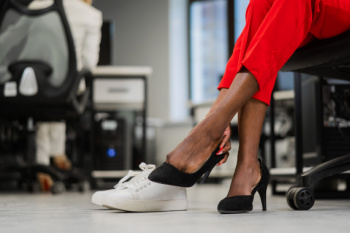
Choosing High Heels for Comfort and Foot Health

Wearing high heels does not have to mean sacrificing foot comfort or health. Choosing the right pair starts with ensuring the correct shoe size to avoid pressure on the toes and heel. Look for a well cushioned insole that provides support and absorbs shock. A thicker heel offers greater stability and reduces the risk of ankle injuries. Paying attention to heel height and avoiding shoes with an excessively pointed toe box can also help reduce strain. A podiatrist can offer guidance on selecting heels that match your foot structure and prevent pain or injury. If you have foot pain from wearing high heels, it is suggested that you schedule an appointment with this type of doctor who can treat various foot conditions, and guide you on correct footwear.

High heels have a history of causing foot and ankle problems. If you have any concerns about your feet or ankles, contact One of our Practitioner from Frankel foot & Ankle. Our practitioner can provide the care you need to keep you pain-free and on your feet.

Effects of High Heels on the Feet

High heels are popular shoes among women because of their many styles and societal appeal.  Despite this, high heels can still cause many health problems if worn too frequently.

Which Parts of My Body Will Be Affected by High Heels?

  • Ankle Joints
  • Achilles Tendon – May shorten and stiffen with prolonged wear
  • Balls of the Feet
  • Knees – Heels cause the knees to bend constantly, creating stress on them
  • Back – They decrease the spine’s ability to absorb shock, which may lead to back pain.  The vertebrae of the lower back may compress.

What Kinds of Foot Problems Can Develop from Wearing High Heels?

  • Corns
  • Calluses
  • Hammertoe
  • Bunions
  • Morton’s Neuroma
  • Plantar Fasciitis

How Can I Still Wear High Heels and Maintain Foot Health?

If you want to wear high heeled shoes, make sure that you are not wearing them every day, as this will help prevent long term physical problems.  Try wearing thicker heels as opposed to stilettos to distribute weight more evenly across the feet.  Always make sure you are wearing the proper shoes for the right occasion, such as sneakers for exercising.  If you walk to work, try carrying your heels with you and changing into them once you arrive at work.  Adding inserts to your heels can help cushion your feet and absorb shock. Full foot inserts or metatarsal pads are available. 

If you have any questions, please feel free to contact our offices located in Milford, PA Middletown, NY Warwick, NY . We offer the newest diagnostic and treatment technologies for all your foot care needs.

Read more about Effect of High Heels on the Feet

Ingrown Toenails in Infants

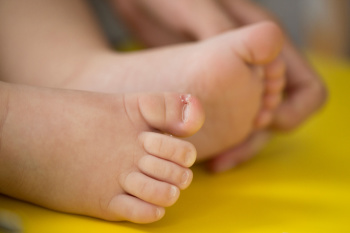
Ingrown toenails can occur even in babies, often causing more discomfort than parents might expect. This happens when the edge of a toenail presses into the surrounding skin, usually on the big toe. In infants, wearing tight socks, rapid nail growth, or improper trimming can contribute to the problem. You may notice redness, swelling, or tenderness around the nail. Babies may cry or pull at their feet if the toe is painful. Unlike in adults, the skin around a baby’s toenail is soft, so early treatment is usually simple and gentle. Soaking the foot in warm water and keeping the area clean can help. Avoid trimming the nail too short or rounding the edges. If there is persistent redness, swelling, or signs of infection, it is suggested that you see a podiatrist to ensure your baby’s toe heals properly and comfortably.

Ingrown toenails can become painful if they are not treated properly. For more information about ingrown toenails, contact One of our Practitioner of Frankel foot & Ankle. Our practitioner can provide the care you need to keep you pain-free and on your feet.

Ingrown Toenails

Ingrown toenails occur when a toenail grows sideways into the bed of the nail, causing pain, swelling, and possibly infection.

Causes

  • Bacterial infections
  • Improper nail cutting such as cutting it too short or not straight across
  • Trauma to the toe, such as stubbing, which causes the nail to grow back irregularly
  • Ill-fitting shoes that bunch the toes too close together
  • Genetic predisposition

Prevention

Wearing proper fitting shoes and using proper cutting techniques will also help decrease your risk of developing ingrown toenails.

Treatment

Ingrown toenails are a very treatable foot condition. In minor cases, soaking the affected area in salt or antibacterial soaps will not only help with the ingrown nail itself, but also help prevent any infections from occurring. In more severe cases, surgery is an option. In either case, speaking to your podiatrist about this condition will help you get a better understanding of specific treatment options that are right for you.

If you have any questions, please feel free to contact our offices located in Milford, PA Middletown, NY Warwick, NY . We offer the newest diagnostic and treatment technologies for all your foot care needs.

Read more about Ingrown Toenail Care

Causes and Symptoms of Swollen Feet

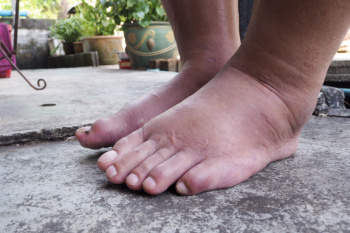
Swollen feet and ankles can stem from a range of medical causes, including lymphedema, infections, trauma, diabetes, and blood clots. Swelling may also be due to fluid buildup from prolonged sitting or standing, or complications from pregnancy. One-sided swelling may point to infection, such as cellulitis, or a blocked vein caused by a clot. Lymphedema, which results from fluid buildup in the tissues, can be either hereditary or caused by other medical conditions. Diabetes can cause swelling through fluid retention or secondary infection. Signs of swollen feet may include puffiness, pain, redness, or warmth, depending on the underlying issue. Trauma-related swelling may call for surgery, especially in cases of compartment syndrome. This occurs when pressure builds within a closed muscle compartment, reducing blood flow and potentially causing tissue damage. A podiatrist can evaluate these symptoms, identify the cause of swelling, and recommend appropriate treatment. If you notice that your feet or ankles are swollen, it is suggested that you schedule an appointment with a podiatrist for a diagnosis and treatment.

Swollen feet can be a sign of an underlying condition. If you have any concerns, contact One of our Practitioner of Frankel foot & Ankle. Our practitioner can provide the care you need to keep you pain-free and on your feet.

Swollen feet are a common ailment among pregnant women and people who stand or sit for extended periods. Aging may increase the possibility of swollen feet and patients who are obese often notice when their feet are swelling too. There may be medical reasons why swollen feet occur:

  • Phlebitis - A condition that causes the veins to become inflamed and can also cause leg pain.
  • Liver disease - This may lead to low blood levels of albumin which is a protein. This can cause fluid in the blood to pass into the tissues and several areas of the body can become swollen.
  • Heart failure - When the heart doesn’t pump properly the blood that is normally pumped back to the heart can pool in the veins of the legs causing swollen feet.
  • Kidney disease - One of the main functions of the kidneys is releasing excess fluid in the body. This type of condition can make it difficult for the kidneys to function properly, and as a result the feet may become swollen.
  • Deep-vein thrombosis (DVT)- This is a serious condition where blood clots form in the veins of the legs. They can block the return of blood from the legs to the heart which may cause the feet to swell. It is important to be treated by a podiatrist if this condition is present.

Swollen feet can also be caused by bone and tendon conditions, including fractures, arthritis, and tendinitis. Additionally, there may be skin and toenail conditions and an infection may cause the feet to swell. Patients who take medicine to treat high blood pressure may be prone to getting swollen feet. 

Many patients elevate their feet to help relieve the swelling and this is generally a temporary remedy. When a podiatrist is consulted the reason behind the swelling can be uncovered and subsequently treated.

If you have any questions please contact our offices located in Milford, PA Middletown, NY Warwick, NY . We offer the newest diagnostic and treatment technologies for all your foot and ankle needs.
Read more about Swelling of the Feet

Foot Care and Basic Foot Hygiene

Foot care is often overlooked, yet it plays a vital role in overall health and daily comfort. Your feet support the entire body, and without proper care, they can become a source of discomfort or even serious health issues. Practicing good foot hygiene includes washing feet thoroughly, drying them completely, and keeping toenails trimmed and clean. Moisturizing the feet helps prevent dry, cracked skin, while wearing clean, well-fitting socks and shoes reduces the risk of fungal infections and blisters. It is important to inspect the feet regularly for any signs of redness, swelling, or injury. By incorporating these simple habits into a daily routine, individuals can prevent many common foot problems. If you have foot pain or have developed any type of foot concerns, it is suggested that you consult a podiatrist who can treat various foot conditions, and guide you on effective everyday foot care practices.

Everyday foot care is very important to prevent infection and other foot ailments. If you need your feet checked, contact One of our Practitioner from Frankel foot & Ankle. Our practitioner can provide the care you need to keep you pain-free and on your feet.

Everyday Foot Care

Often, people take care of their bodies, face and hair more so than they do for their feet. But the feet are a very important aspect of our bodies, and one that we should pay more attention to. Without our feet, we would not be able to perform most daily tasks.

It is best to check your feet regularly to make sure there are no new bruises or cuts that you may not have noticed before. For dry feet, moisturizer can easily be a remedy and can be applied as often as necessary to the affected areas. Wearing shoes that fit well can also help you maintain good foot health, as well as making it easier to walk and do daily activities without the stress or pain of ill-fitting shoes, high heels, or even flip flops. Wearing clean socks with closed shoes is important to ensure that sweat and bacteria do not accumulate within the shoe. Clean socks help to prevent Athlete’s foot, fungi problems, bad odors, and can absorb sweat.

If you have any questions, please feel free to contact our offices located in Milford, PA Middletown, NY Warwick, NY . We offer the newest diagnostic and treatment technologies for all your foot care needs.

Read more about Every Day Foot Care

Ease Painful Feet With Orthotics

Custom orthotics can be used to relieve foot pain and discomfort. They're also used to treat various foot conditions and deformities. Flat feet, bunions, and Morton's neuroma are just a few of the foot conditions that have been known to benefit from the use of orthotics.

Comfy feet are happy feet! Contact us today.

Is It a Sprained or Broken Ankle?

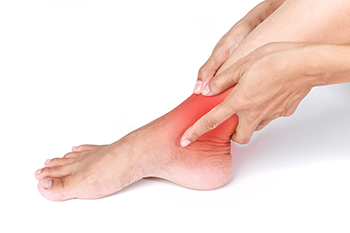
Telling whether an ankle injury is a sprain or a fracture can be problematic. A sprained ankle occurs when the ligaments that support the joint are stretched or torn, often from twisting or rolling the ankle. Sprains can range in severity, from mild overstretching to complete ligament tears. In contrast, a broken ankle involves a fracture of one or more bones, typically the tibia, fibula, or talus. A fracture may be simple with a clean break or complex with multiple fragments. While both injuries can cause swelling, bruising, and pain, a fracture often results in more severe pain and the inability to bear weight. Proper diagnosis may require an X-ray to distinguish between the two. Treatment varies significantly, so it is suggested that you promptly consult a podiatrist for an accurate diagnosis and appropriate treatment solutions. 

Foot and ankle trauma is common among athletes and the elderly. If you have concerns that you may have experienced trauma to the foot and ankle, consult with One of our Practitioner from Frankel foot & Ankle. Our practitioner will assess your condition and provide you with quality foot and ankle treatment.

Foot and ankle trauma cover a range of injuries all over the foot; common injuries include:

  • Broken bones
  • Muscle strains
  • Injuries to the tendons and ligaments
  • Stress fractures

Symptoms

Symptoms of foot and ankle injuries vary depending on the injury, but more common ones include:

  • Bruising
  • Inflammation/ Swelling
  • Pain

Diagnosis

To properly diagnose the exact type of injury, podiatrists will conduct a number of different tests. Some of these include sensation and visual tests, X-rays, and MRIs. Medical and family histories will also be taken into account.

Treatment

Once the injury has been diagnosed, the podiatrist can than offer the best treatment options for you. In less severe cases, rest and keeping pressure off the foot may be all that’s necessary. Orthotics, such as a specially made shoes, or immobilization devices, like splints or casts, may be deemed necessary. Finally, if the injury is severe enough, surgery may be necessary.

If you have any questions, please feel free to contact our offices located in Milford, PA Middletown, NY Warwick, NY . We offer the newest diagnostic and treatment technologies for all your foot care needs.

Read more about Foot and Ankle Trauma

Why Mornings Hurt With Heel Pain

Many people with plantar fasciitis say their heel pain is worse when they first get out of bed. This is because the band of tissue along the bottom of the foot tightens during rest. When you take those first steps in the morning, the tissue stretches quickly, causing sharp pain in the heel. The discomfort may improve after walking for a while but often returns after sitting or standing for too long. Plantar fasciitis is common in people who are on their feet a lot, wear unsupportive shoes or have tight calf muscles. Gentle morning stretches, supportive footwear and avoiding walking barefoot may help. Custom orthotics or targeted exercises can also reduce pain, over time. If you continue to feel pain in your heel when you wake up, it is suggested you see a podiatrist for appropriate relief options.

Plantar fasciitis is a common foot condition that is often caused by a strain injury. If you are experiencing heel pain or symptoms of plantar fasciitis, contact One of our Practitioner from Frankel foot & Ankle. Our practitioner can provide the care you need to keep you pain-free and on your feet.

What Is Plantar Fasciitis?

Plantar fasciitis is one of the most common causes of heel pain. The plantar fascia is a ligament that connects your heel to the front of your foot. When this ligament becomes inflamed, plantar fasciitis is the result. If you have plantar fasciitis you will have a stabbing pain that usually occurs with your first steps in the morning. As the day progresses and you walk around more, this pain will start to disappear, but it will return after long periods of standing or sitting.

What Causes Plantar Fasciitis?

  • Excessive running
  • Having high arches in your feet
  • Other foot issues such as flat feet
  • Pregnancy (due to the sudden weight gain)
  • Being on your feet very often

There are some risk factors that may make you more likely to develop plantar fasciitis compared to others. The condition most commonly affects adults between the ages of 40 and 60. It also tends to affect people who are obese because the extra pounds result in extra stress being placed on the plantar fascia.

Prevention

  • Take good care of your feet – Wear shoes that have good arch support and heel cushioning.
  • Maintain a healthy weight
  • If you are a runner, alternate running with other sports that won’t cause heel pain

There are a variety of treatment options available for plantar fasciitis along with the pain that accompanies it. Additionally, physical therapy is a very important component in the treatment process. It is important that you meet with your podiatrist to determine which treatment option is best for you.

If you have any questions, please feel free to contact our offices located in Milford, PA Middletown, NY Warwick, NY . We offer the newest diagnostic and treatment technologies for all your foot care needs.


Read more about Plantar Fasciitis
scroll to top