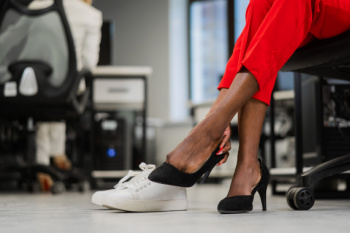
Types and Symptoms of Athlete’s Foot

Athlete's foot, medically known as tinea pedis, is a fungal infection that can occur between the toes, on the soles, and around the heels. Types of athlete's foot include interdigital, moccasin, vesicular, and ulcerative infections. Interdigital infections often start between the smallest toes, causing red, itchy, and peeling skin. Moccasin-type infections affect the sole and can make the skin appear dry and scaly. Vesicular infections produce painful, itchy blisters filled with fluid, and ulcerative infections involve open sores that can lead to additional bacterial infections. Symptoms include itching, burning, cracking, or thickened skin on the feet. Athlete's foot is highly contagious, often spread by walking barefoot in warm, damp environments like locker room showers or pool areas. A podiatrist can diagnose this infection by examining the skin, and, if needed, testing a skin sample to identify the fungus. Medical treatment may involve topical or oral antifungal medications to clear the infection and reduce the risk of complications. If you have a stubborn athlete's foot infection, it is suggested that you schedule an appointment with a podiatrist for advanced treatment.

Athlete’s foot is an inconvenient condition that can be easily reduced with the proper treatment. If you have any concerns about your feet and ankles, contact One of our Practitioner from Frankel foot & Ankle.  Our practitioner will treat your foot and ankle needs.

Athlete’s Foot: The Sole Story

Athlete's foot, also known as tinea pedis, can be an extremely contagious foot infection. It is commonly contracted in public changing areas and bathrooms, dormitory style living quarters, around locker rooms and public swimming pools, or anywhere your feet often come into contact with other people.

Solutions to Combat Athlete’s Foot

  • Hydrate your feet by using lotion
  • Exfoliate
  • Buff off nails
  • Use of anti-fungal products
  • Examine your feet and visit your doctor if any suspicious blisters or cuts develop

Athlete’s foot can cause many irritating symptoms such as dry and flaking skin, itching, and redness. Some more severe symptoms can include bleeding and cracked skin, intense itching and burning, and even pain when walking. In the worst cases, Athlete’s foot can cause blistering as well. Speak to your podiatrist for a better understanding of the different causes of Athlete’s foot, as well as help in determining which treatment options are best for you.

If you have any questions please feel free to contact our offices located in Milford, PA Middletown, NY Warwick, NY . We offer the newest diagnostic and treatment technologies for all your foot and ankle needs.

Read more about Athlete's Foot

Common Causes of Big Toe Pain

Pain in the big toe can stem from medical conditions that affect the joints, bones, tendons, or soft tissue. One common cause of big toe pain is arthritis, which can lead to stiffness and swelling in the joint that connects the big toe to the foot. This joint, called the first metatarsophalangeal, or MTP joint, plays a major role in walking and bearing weight. Gout, bunions, and sesamoiditis can also trigger inflammation and discomfort in the big toe. Trauma from sports injuries, including turf toe or a toe fracture, can result in lingering toe pain. Bursitis, the inflammation of fluid-filled sacs that cushion the MTP joint, may also contribute to tenderness and restricted motion. A podiatrist can diagnose the cause of your big toe pain and determine the proper treatment plan. If you are experiencing this type of pain, it is suggested that you schedule an appointment with a podiatrist.

Toe pain can disrupt your daily activities. If you have any concerns, contact One of our Practitioner of Frankel foot & Ankle. Our practitioner can provide the care you need to keep you pain-free and on your feet.

What Causes Toe Pain?

Most severe toe pain is caused due to a sports injury, trauma from dropping something heavy on the toe, or bumping into something rigid. Other problems can develop over time for various reasons.

Toe pain can be caused by one or more ailments. The most common include:

  • Trauma
  • Sports injury
  • Wearing shoes that are too tight
  • Arthritis
  • Gout
  • Corns and calluses
  • Hammertoe
  • Bunions
  • Blisters
  • Ingrown toenails
  • Sprains
  • Fractures (broken bones)
  • Dislocations

When to See a Podiatrist

  • Severe pain
  • Persistent pain that lasts more than a week
  • Signs of infection
  • Continued swelling
  • Pain that prevents walking

Diagnosis

In many cases the cause of toe pain is obvious, but in others, a podiatrist may want to use more advanced methods to determine the problem. These can range from simple visual inspections and sensation tests to X-rays and MRI scans. Prior medical history, family medical history, and any recent physical traumatic events will all be taken into consideration for a proper diagnosis.

Treatment

Treatments for toe pain and injuries vary and may include shoe inserts, padding, taping, medicines, injections, and in some cases, surgery. If you believe that you have broken a toe, please see a podiatrist as soon as possible.

If you have any questions please contact our offices located in Milford, PA Middletown, NY Warwick, NY . We offer the newest diagnostic and treatment technologies for all your foot and ankle needs.

Read more about Toe Pain

Understanding the Newborn Foot

A newborn’s foot is soft, flexible, and still developing. At birth, the bones are not fully formed and are mostly made of cartilage, which allows the foot to adapt and grow. It is normal for baby feet to appear flat because the arches have not yet developed. Toes may be curled or turned slightly due to their position in the womb, and in most cases, these resolve naturally over time. Gentle movement, barefoot time, and avoiding tight shoes or socks help promote healthy development. While most newborn foot shapes and positions are harmless, certain conditions like clubfoot or metatarsus adductus may require early treatment. Regular check-ups can help ensure your baby’s feet are growing as expected. If you notice stiffness, unusual shape, or difficulty with movement, it is suggested that you see a podiatrist for a proper evaluation and peace of mind.


Congenital foot problems require immediate attention to avoid future complications. If you have any concerns, contact One of our Practitioner of Frankel foot & Ankle. Our practitioner can provide the care you need to keep you pain-free and on your feet.

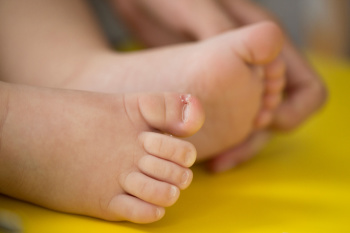
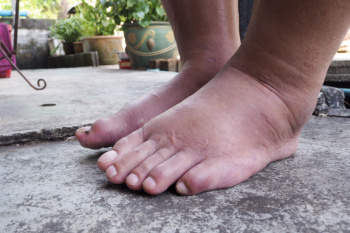
Congenital foot problems are deformities affecting the feet, toes, and/or ankles that children are born with. Some of these conditions have a genetic cause while others just happen. Some specific foot ailments that children may be born with include clubfeet, polydactyly/macrodactyly, and cleft foot. There are several other foot anomalies that can occur congenitally. What all of these conditions have in common is that a child may experience difficulty walking or performing everyday activities, as well as trouble finding footwear that fits their foot deformity. Some of these conditions are more serious than others. Consulting with a podiatrist as early as possible will help in properly diagnosing a child’s foot condition while getting the necessary treatment underway.

What are Causes of Congenital Foot Problem?

A congenital foot problem is one that happens to a child at birth. These conditions can be caused by a genetic predisposition, developmental or positional abnormalities during gestation, or with no known cause.

What are Symptoms of Congenital Foot Problems?

Symptoms vary by the congenital condition. Symptoms may consist of the following:

  • Clubfoot, where tendons are shortened, bones are shaped differently, and the Achilles tendon is tight, causing the foot to point in and down. It is also possible for the soles of the feet to face each other.
  • Polydactyly, which usually consists of a nubbin or small lump of tissue without a bone, a toe that is partially formed but has no joints, or an extra toe.
  • Vertical talus, where the talus bone forms in the wrong position causing other bones in the foot to line up improperly, the front of the foot to point up, and the bottom of the foot to stiffen, with no arch, and to curve out.
  • Tarsal coalition, when there is an abnormal connection of two or more bones in the foot leading to severe, rigid flatfoot.
  • Cleft foot, where there are missing toes, a V-shaped cleft, and other anatomical differences.
  • Macrodactyly, when the toes are abnormally large due to overgrowth of the underlying bone or soft tissue.

Treatment and Prevention

While there is nothing one can do to prevent congenital foot problems, raising awareness and receiving neonatal screenings are important. Early detection by taking your child to a podiatrist leads to the best outcome possible.

If you have any questions, please feel free to contact our offices located in Milford, PA Middletown, NY Warwick, NY . We offer the newest diagnostic and treatment technologies for all your foot care needs.
Read more about Congenital Foot Problems

We Can Treat Your Foot or Ankle Pain

Foot or ankle pain can negatively affect your day-to-day life and can occur due to several different conditions. Pain can also be an indicator of a more serious underlying condition, which is why you should seek professional help as soon as you notice any abnormalities in your feet.

Taking Care of Your Diabetic Feet

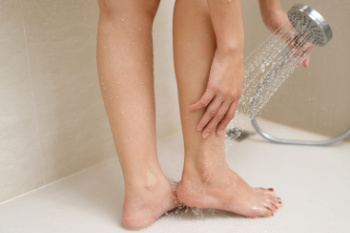
Foot pain is a common issue for diabetics, often caused by nerve damage or neuropathy, or poor circulation. Patients may experience a range of sensations, from a dull, aching pain to sharp, burning, or tingling feelings in the feet. Diabetic foot pain may be constant or worsen when walking or standing for long periods. As the nerves in the feet are affected, individuals may also experience numbness, making it harder to feel injuries or infections. The causes of diabetic foot pain include high blood sugar levels that damage nerves and blood vessels, as well as poor circulation, which slows down healing. Symptoms include pain, numbness, tingling, and increased sensitivity to touch or pressure. A podiatrist can help by thoroughly examining the feet to assess nerve function and circulation. Treatment options may include custom footwear, orthotics, medications, or targeted exercises to improve circulation. A podiatrist can also monitor the feet for any signs of infections or ulcers. If you have diabetic foot pain, it is suggested that you schedule an appointment with a podiatrist for a tailored treatment and management plan.

Diabetic foot care is important in preventing foot ailments such as ulcers. If you are suffering from diabetes or have any other concerns about your feet, contact One of our Practitioner from Frankel foot & Ankle. Our practitioner can provide the care you need to keep you pain-free and on your feet.

Diabetic Foot Care

Diabetes affects millions of people every year. The condition can damage blood vessels in many parts of the body, especially the feet. Because of this, taking care of your feet is essential if you have diabetes, and having a podiatrist help monitor your foot health is highly recommended.

The Importance of Caring for Your Feet

  • Routinely inspect your feet for bruises or sores.
  • Wear socks that fit your feet comfortably.
  • Wear comfortable shoes that provide adequate support.

Patients with diabetes should have their doctor monitor their blood levels, as blood sugar levels play such a huge role in diabetic care. Monitoring these levels on a regular basis is highly advised.

It is always best to inform your healthcare professional of any concerns you may have regarding your feet, especially for diabetic patients. Early treatment and routine foot examinations are keys to maintaining proper health, especially because severe complications can arise if proper treatment is not applied.

If you have any questions, please feel free to contact our offices located in Milford, PA Middletown, NY Warwick, NY . We offer the newest diagnostic and treatment technologies for all your foot care needs.
Read more about How to Care for Diabetic Foot

How Aging Affects the Foot’s Fat Pads

As the body ages, the fat pads on the feet undergo structural and functional changes that can affect comfort and mobility. Fat pad atrophy, a gradual thinning of the cushioning beneath the heel and forefoot, reduces shock absorption and increases sensitivity to pressure. The loss of elasticity in the skin and connective tissues further contributes to discomfort, making the feet more vulnerable to pain and injuries. Altered biomechanics, including changes in gait and posture, may develop as the body compensates for reduced cushioning. Increased pressure points can lead to calluses, soreness, and a higher risk of foot conditions. If you are elderly and have foot pain, it is suggested that you schedule an appointment with a podiatrist who can offer you effective relief methods.

If you need your feet checked, contact One of our Practitioner of Frankel foot & Ankle. Our practitioner will attend to all of your foot and ankle needs and provide you with quality treatment.

Geriatrics and Podiatry
When people age, some common issues that may occur are bone density loss, dry skin, poor circulation, and rough brittle nails. These issues may also affect your foot health if the necessary steps are not taken to alleviate the problems.

It is important to take care of your feet because feet that are injured or diseased can affect your overall health. Having painful feet hinders your ability to do daily activities or may decrease your willingness to do the things that you need to do.

Visiting Your Geriatrician
As we age, health problems become more likely, so it is essential to visit your doctor for check-ups to ensure that you are doing the best you can to take care of your health. It is recommended to check your feet frequently for any possible cuts, bruises, swelling, corns or any other irregularities. 

Taking Care of Elderly Feet
Cracked or dry feet can be treated by applying moisturizer often. It is also important not to wear old socks because the older the sock is, the higher the possibility there will be that there is bacteria there. Wear fresh socks and make sure they fit properly.

Proper foot health means that you can have a more active lifestyle and you will not be bogged down by pain. Foot health also leads to good circulation, which is paramount for overall health.

If you have any questions, please feel free to contact our offices located in Milford, PA Middletown, NY Warwick, NY . We offer the newest diagnostic and treatment technologies for all your foot care needs.

Read more about Elderly Foot Care

Possible Causes of Hard Skin on the Feet

Hard skin on the feet is caused by repeated friction or pressure. The heels, balls of the feet, and sides of the toes are especially prone to developing thickened skin due to constant rubbing against footwear. Wearing ill-fitting shoes, spending long hours on the feet, and having bunions or hammertoes, can also be factors causing hard skin on the feet. In some cases, medical conditions that affect circulation or nerve function may increase the risk of hard skin formation. While hardened skin generally serves as a protective barrier, an excessive buildup can lead to discomfort, cracks, or infections, if left untreated. A podiatrist can assess the cause of hardened skin, provide treatment to remove thickened areas safely, and recommend ways to prevent further irritation. If necessary, custom orthotics or other footwear modifications may be suggested to reduce pressure on vulnerable areas. If you have discomfort from hardened skin or any other type of malady on your feet, it is suggested that you schedule an appointment with a podiatrist for an exam, diagnosis, and treatment options.

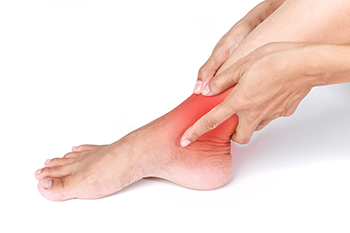
Foot Pain

Foot pain can be extremely painful and debilitating. If you have a foot pain, consult with One of our Practitioner from Frankel foot & Ankle. Our practitioner will assess your condition and provide you with quality foot and ankle treatment.

Causes

Foot pain is a very broad condition that could be caused by one or more ailments. The most common include:

  • Bunions
  • Hammertoes
  • Plantar Fasciitis
  • Bone Spurs
  • Corns
  • Tarsal Tunnel Syndrome
  • Ingrown Toenails
  • Arthritis (such as Gout, Rheumatoid, and Osteoarthritis)
  • Flat Feet
  • Injury (from stress fractures, broken toe, foot, ankle, Achilles tendon ruptures, and sprains)
  • And more

Diagnosis

To figure out the cause of foot pain, podiatrists utilize several different methods. This can range from simple visual inspections and sensation tests to X-rays and MRI scans. Prior medical history, family medical history, and any recent physical traumatic events will all be taken into consideration for a proper diagnosis.

Treatment

Treatment depends upon the cause of the foot pain. Whether it is resting, staying off the foot, or having surgery; podiatrists have a number of treatment options available for foot pain.

If you have any questions, please feel free to contact our offices located in Milford, PA Middletown, NY Warwick, NY . We offer the newest diagnostic and treatment technologies for all your foot care needs.
Read more about Foot Pain

Facts About Cracked Heels

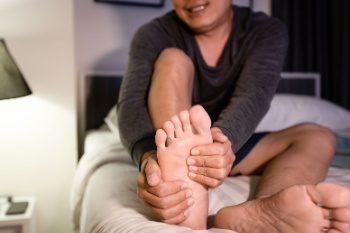
Cracked heels develop when the skin on the feet becomes dry and loses its elasticity, leading to painful fissures. One common cause is prolonged pressure on the feet from standing for long hours or wearing shoes with inadequate support. Dry skin, often worsened by cold weather or dehydration, makes the heels more prone to cracking. Athlete's foot, a fungal infection, can cause peeling and flaking that leads to skin breakdown. Conditions such as eczema and psoriasis contribute to excessive dryness and inflammation, further increasing the risk of heel fissures. Without proper care, cracks can deepen and cause discomfort or infection. If you notice the beginning symptoms of cracked heels, it is suggested that you promptly contact a podiatrist who can offer you effective relief and prevention tips.

Cracked heels are unsightly and can cause further damage to your shoes and feet. If you have any concerns, contact One of our Practitioner from Frankel foot & Ankle. Our practitioner can provide the care you need to keep you pain-free and on your feet.

Cracked Heels

Cracked heels appear unappealing and can make it harder for you walk around in sandals. Aside from looking unpleasant, cracked heels can also tear stockings, socks, and wear out your shoes. There are several methods to help restore a cracked heel and prevent further damage.

How Do You Get Them?

Dry skin is the number one culprit in creating cracked heels. Many athletes, walkers, joggers, and even swimmers suffer from cracked heels. Age and skin oil production play a role to getting cracked heels as well.

Promote Healing

Over the counter medicines can help, especially for those that need instant relief or who suffer from chronic dry feet.

Wear Socks – Wearing socks with medicated creams helps lock in moisture.

Moisturizers – Applying both day and night will help alleviate dryness which causes cracking.

Pumice Stones – These exfoliate and remove dead skin, which allows for smoother moisturizer application and better absorption into the skin. 

Change in Diet

Eating healthy with a well-balanced diet will give the skin a fresh and radiant look. Your body responds to the kinds of food you ingest. Omega-3 fatty acids and zinc supplements can also revitalize skin tissue.

Most importantly, seek professional help if unsure how to proceed in treating cracked heels. A podiatrist will help you with any questions or information needed. 

If you have any questions, please feel free to contact our offices located in Milford, PA Middletown, NY Warwick, NY . We offer the newest diagnostic and treatment technologies for all your foot care needs.
Read more about Solutions for Cracked Heels

Different Types of Bunions and Treatments

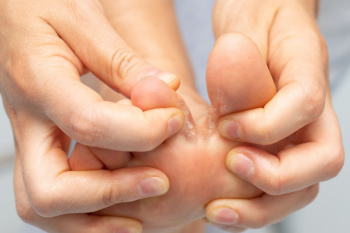
A bunion is a bony bump that forms when the big toe joint shifts out of alignment, often due to genetics, wearing improper footwear, flat feet, or arthritis. Over time, the joint becomes swollen, painful, and stiff, making walking uncomfortable. There are different types of bunions. The most common is the classic bunion, which develops on the inside of the foot at the base of the big toe. A tailor’s bunion, or bunionette, forms on the outside at the base of the little toe. A dorsal bunion occurs on the top of the big toe joint, often limiting movement and making shoe wear painful. Treatment varies based on severity. Wider shoes, padding, orthotics, and toe exercises can help, and severe cases may require injections or surgery. Since bunions worsen over time, it is suggested that you see a podiatrist for early intervention and to prevent complications.

If you are suffering from bunion pain, contact One of our Practitioner of Frankel foot & Ankle. Our practitioner can provide the care you need to keep you pain-free and on your feet.

What Is a Bunion?

Bunions are painful bony bumps that usually develop on the inside of the foot at the joint of the big toe. As the deformity increases over time, it may become painful to walk and wear shoes. Women are more likely to exacerbate existing bunions since they often wear tight, narrow shoes that shift their toes together. Bunion pain can be relieved by wearing wider shoes with enough room for the toes.

Causes

  • Genetics – some people inherit feet that are more prone to bunion development
  • Inflammatory Conditions - rheumatoid arthritis and polio may cause bunion development

Symptoms

  • Redness and inflammation
  • Pain and tenderness
  • Callus or corns on the bump
  • Restricted motion in the big toe

In order to diagnose your bunion, your podiatrist may ask about your medical history, symptoms, and general health. Your doctor might also order an x-ray to take a closer look at your feet. Nonsurgical treatment options include orthotics, padding, icing, changes in footwear, and medication. If nonsurgical treatments don’t alleviate your bunion pain, surgery may be necessary.

If you have any questions, please feel free to contact our offices located in Milford, PA Middletown, NY Warwick, NY . We offer the newest diagnostic and treatment technologies for all your foot care needs.
Read more about What Are Bunions?

Let the Expert Treat Your Ingrown Toenails

Ingrown toenails can be painful and can make wearing shoes or walking uncomfortable. Seek professional help if you believe you've developed an ingrown toenail and be treated safely. 

scroll to top